A sleep study or qualified clinical assessment should come before choosing a sleep apnea device, because treatment depends on the type and severity of apnea.
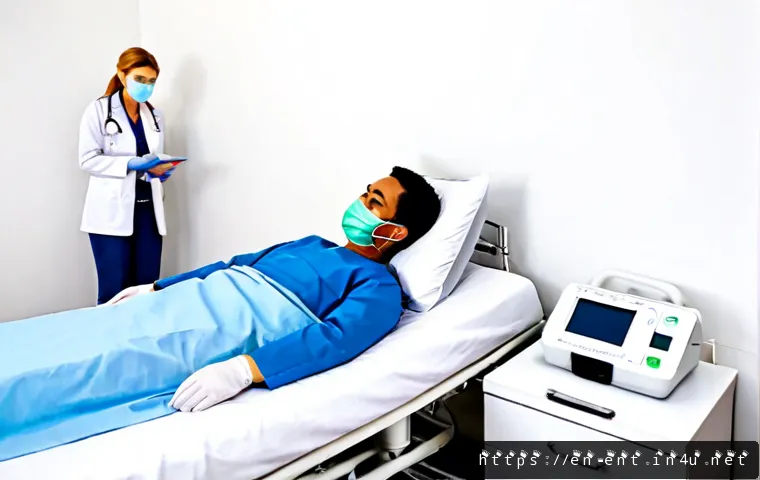
PAP therapy, including CPAP, APAP, or BiPAP, is commonly used for moderate to severe obstructive sleep apnea, while custom oral appliances may suit some adults with mild to moderate OSA or those who cannot tolerate CPAP.
The best option is not always the smallest machine or the lowest upfront price. Mask comfort, pressure settings, dental fit, follow-up support, insurance rules, and replacement supplies can all affect whether treatment is practical long term.
Snoring products may seem convenient, but snoring alone does not confirm sleep apnea. Compare the full treatment path before committing to a machine, appliance, or procedure.
At a Glance
- Start with diagnosis: A sleep study or qualified clinical assessment helps identify sleep apnea and guide the appropriate treatment category.
- PAP therapy is commonly used for moderate to severe OSA: CPAP, APAP, and BiPAP differ in how they deliver pressure and in their clinical use.
- Long-term comfort matters: Mask fit, pressure review, dental follow-up, maintenance, and insurance coverage can affect treatment value.
| Treatment option | Best-fit situation to discuss | Prescription or fitting needs | Ongoing considerations |
|---|---|---|---|
| CPAP | Often considered for moderate to severe obstructive sleep apnea | Clinical evaluation, prescribed settings, mask fitting | Mask, tubing, filters, cleaning, pressure review, follow-up support |
| APAP | People whose prescribed pressure needs may vary during sleep | Clinical guidance and appropriate device settings | Similar PAP supplies, fit checks, and adherence review |
| BiPAP | Specific clinical needs where different inhale and exhale pressures may be considered | Clinical assessment and prescribed settings | Device support, mask comfort, settings review, recurring supplies |
| Custom oral appliance | Some adults with mild to moderate OSA or CPAP intolerance | Custom dental fitting and follow-up | Dental comfort, jaw symptoms, adjustments, appliance monitoring |
| Lifestyle and positional measures | Supportive measures for selected people | Usually guided by the overall treatment plan | May help, but are not universal replacements for prescribed therapy |
| Surgery or implantable options | When anatomy contributes to obstruction or other options are unsuitable | Specialist evaluation | Procedure-specific follow-up and realistic expectations |
The Short Answer: Which Sleep Apnea Treatment Is Usually Considered First?
For suspected sleep apnea, the first practical step is usually proper evaluation, not buying a CPAP machine, anti-snoring device, or online sleep product. Obstructive sleep apnea involves repeated upper-airway blockage during sleep, while central sleep apnea has different underlying mechanisms and may need different management.
For moderate to severe OSA, positive airway pressure (PAP) therapy is commonly used. A clinician may consider CPAP, APAP, or BiPAP based on clinical needs. For some adults with mild to moderate OSA, or for people who cannot tolerate CPAP, a custom mandibular advancement device may be discussed.
The useful comparison is not simply “Which device is best?” It is “Which treatment can address the diagnosed problem and be used consistently?” A machine that is clinically appropriate but left on the nightstand has limited practical value. Likewise, an oral appliance that causes jaw discomfort or does not receive follow-up adjustment may not be a simple solution.
Why a Diagnosis and Severity Assessment Should Come Before Buying a Device
Daytime sleepiness, loud snoring, witnessed breathing pauses, and waking unrefreshed can raise concern, but snoring alone does not confirm sleep apnea. A sleep study or qualified clinical assessment is generally needed to diagnose sleep apnea and guide treatment.
This step matters when comparing sleep testing services, PAP devices, oral appliance providers, or insurance-covered equipment. Without results and clinical guidance, it is not possible to know whether a consumer CPAP device, home test, travel device, or anti-snoring product is suitable for a particular person.
Untreated sleep apnea may be associated with daytime sleepiness, impaired driving safety, high blood pressure, and other health concerns. If sleepiness affects alertness behind the wheel or during safety-sensitive work, seek timely clinical advice rather than trying to solve the issue with an unverified product.
When Symptom Relief, Comfort, and Long-Term Adherence Matter as Much as the Device Type
PAP effectiveness depends heavily on consistent use, correct mask fit, appropriate pressure settings, and follow-up support. The right category of machine is important, but everyday details often determine whether treatment is sustainable.
Common barriers include air leaks, dry nasal passages, a mask that feels too bulky, pressure discomfort, or difficulty sleeping in a preferred position. These are reasons to review fit and support options, not automatic proof that PAP therapy cannot work. A different mask style, humidification approach, or clinician-directed pressure review may address a specific barrier.
Compare PAP Therapy, Oral Appliances, Lifestyle Changes, and Surgery
CPAP vs. APAP vs. BiPAP: Pressure Delivery, Typical Use Cases, and Comfort Considerations
CPAP delivers a prescribed continuous level of airway pressure. It is a familiar PAP option and is commonly used in the treatment of moderate to severe OSA. The practical questions are whether the prescribed pressure is appropriate, whether the mask seals comfortably, and whether the equipment setup fits normal sleep habits.
APAP automatically adjusts pressure within prescribed settings. It may be considered when pressure needs vary during sleep, but the appropriate settings still require clinical direction. APAP is not simply a universal “upgrade” over CPAP; the correct choice depends on the individual assessment and treatment plan.
BiPAP provides different pressure levels for inhalation and exhalation. It may be used for particular clinical needs and is not a default substitute for CPAP. If exhaling against pressure feels difficult, discuss the experience with the prescribing clinician rather than changing settings independently.
When comparing PAP equipment, look beyond the main machine. Ask about mask compatibility, humidification options, tubing, filters, replacement supplies, warranty terms, setup assistance, and follow-up availability. These ownership details may influence the long-term experience more than a headline feature.
Custom Oral Appliances: Who May Benefit and Why Dental Follow-Up Matters
Custom mandibular advancement devices are commonly considered for some adults with mild to moderate OSA and for people who cannot tolerate CPAP. These devices are designed to position the lower jaw forward to help maintain airway openness during sleep.
A custom appliance differs from a generic anti-snoring product. Proper fitting and dental follow-up matter because comfort, jaw position, existing dental work, and jaw symptoms can affect whether the appliance is suitable. People with jaw discomfort, dental concerns, or recent dental work should raise those issues before choosing this route.
Ask an oral appliance provider what fitting, adjustment, and follow-up are included. Also ask how treatment results will be reviewed. An appliance may feel easier to pack than PAP equipment, but portability alone does not establish that it is the right treatment for a diagnosed condition.
Positional Therapy, Weight Management, and Nasal Care: Supportive Options and Limitations
For some people, positional therapy, weight management, reducing alcohol near bedtime, and treating nasal obstruction may help. These measures can be worthwhile parts of a broader care plan, especially when a clinician identifies positional symptoms or nasal comfort barriers.
However, they are not universal replacements for prescribed PAP therapy or a custom oral appliance. A person may snore less after changing sleep position and still require evaluation or treatment for apnea. Similarly, improving nasal comfort may make a mask easier to tolerate without changing the underlying diagnosis.
For side sleepers, focus on practical fit: a mask that stays stable when the face contacts a pillow, tubing that does not pull, and a setup that can be used consistently. Avoid assuming that a sleep-position product alone resolves diagnosed apnea unless the treatment plan supports that conclusion.
Surgical and Implantable Options: When Specialist Evaluation May Be Appropriate
Surgery may be considered when anatomy contributes to airway obstruction or when other treatments are unsuccessful or unsuitable. Implantable and surgical approaches require specialist evaluation because the relevant anatomy, sleep-study findings, health history, and treatment goals vary from person to person.
Do not assume surgery will eliminate apnea. Before proceeding, ask what issue the procedure is intended to address, what follow-up is expected, and how outcomes will be evaluated. A clear discussion of alternatives is especially important if PAP intolerance is driven by a solvable issue such as mask fit or nasal congestion.
Cost, Insurance, and Ongoing Ownership Considerations
Upfront Expenses Versus Recurring Mask, Tubing, Filter, and Fitting Costs
Sleep apnea treatment costs can include more than the initial device or appliance price. PAP ownership may involve a machine, mask, tubing, filters, humidification-related parts, and replacement supplies. Oral appliance therapy can involve evaluation, custom fitting, adjustments, and dental follow-up.
Sleep testing, specialist visits, surgery, and replacement supplies can also have separate billing or coverage terms. Exact costs vary by provider, insurance benefits, deductibles, location, and contracts, so a single price comparison rarely tells the full story.
Before choosing a CPAP supplier, online sleep testing provider, or oral appliance practice, request a written breakdown of what is included. Separate the device or fitting charge from ongoing supply needs and follow-up appointments.
Questions to Ask About Insurance Authorization, Rentals, Compliance Rules, and Warranties
Insurance coverage may involve authorization requirements, approved suppliers, rental arrangements, documentation, and usage-related rules. These details vary, so confirm them directly with the insurer and provider before assuming a device is covered.
- Is a sleep study or specific clinical documentation required?
- Is the PAP machine purchased, rented, or handled under another arrangement?
- Which masks and replacement supplies are eligible under the plan?
- Are there approved suppliers or network restrictions?
- What follow-up, setup support, and warranty terms are included?
- Does oral appliance therapy require a separate dental or medical coverage review?
Why the Lowest Initial Price May Not Be the Lowest Long-Term Treatment Cost
A low-priced machine may appear attractive but may not include the mask, support, warranty coverage, or replacement-supply access that makes treatment easier to maintain. The same applies to an oral appliance quote that does not clearly explain fitting or adjustment follow-up.
Compare total ownership needs: equipment, fitting, supplies, maintenance, provider support, insurance paperwork, and the likelihood that the setup will actually be used. The goal is not to buy the most elaborate option. It is to choose an appropriate, supportable treatment path.
Getting Started Safely and Avoiding Common Treatment Mistakes

Complete the Right Sleep Evaluation and Review Results With a Qualified Clinician
Begin with a sleep evaluation that is appropriate for your symptoms and circumstances. Review the results with a qualified clinician so you understand whether the concern is OSA, central sleep apnea, or another sleep-related issue.
This protects against a common mistake: treating snoring as if it were a diagnosis. It also helps avoid purchasing a device with unsuitable settings or relying on an over-the-counter product when medical assessment is needed.
Choose Mask Style, Humidification, and Pressure Support Based on Real Comfort Barriers
If PAP therapy is recommended, identify the exact barrier rather than saying the entire treatment is intolerable. Is the problem leakage? Claustrophobia? Dryness? Nasal congestion? Difficulty sleeping on your side? A mask fitting discussion can be more productive when the problem is specific.
Mask style, humidification, tubing placement, and pressure support should be considered within the prescribed treatment plan. For people with nasal congestion, addressing nasal obstruction may improve comfort, but it should not replace review of PAP settings or the underlying sleep apnea diagnosis.
Avoid Self-Adjusting Prescribed Settings or Relying on Anti-Snoring Products as a Substitute for Evaluation
Do not self-adjust prescribed pressure settings without clinical guidance. Changes that seem sensible may not address the actual issue and can complicate treatment review.
Be cautious with products marketed only for snoring. Some may be designed for comfort or sound reduction, but they do not establish whether apnea is present or whether a prescribed treatment is still needed. A quiet night is not the same thing as confirmed effective therapy.
Treatment Paths for Common Real-Life Situations
For People Who Cannot Tolerate a Traditional CPAP Mask
“I cannot tolerate CPAP” can mean several different things. A person may dislike a full-face mask but do better with another mask style. Others may need help with leaks, dryness, nasal congestion, or pressure comfort. Start by documenting what happens during use and discuss those details with the clinician or equipment provider.
If PAP remains unsuitable despite proper troubleshooting, a custom oral appliance may be considered for some adults, depending on OSA severity and clinical assessment. Surgery may also be discussed in selected situations, particularly when anatomy contributes to obstruction.
For Frequent Travelers and People Needing a Portable Setup
Travelers should compare more than device size. Consider the prescribed treatment requirements, power planning, mask and tubing compatibility, cleaning needs, and how easily replacement supplies can be obtained. A portable setup should still align with the prescribed therapy plan.
Before purchasing travel-focused PAP equipment, confirm whether it works with your prescribed settings and what accessories are required. If considering an oral appliance mainly for travel convenience, discuss whether it is clinically appropriate rather than assuming portability equals suitability.
For People With Jaw Discomfort, Dental Work, Nasal Congestion, or Positional Symptoms
Jaw discomfort or significant dental concerns should be raised before pursuing an oral appliance. Custom fitting and dental follow-up are important because mandibular advancement devices can affect comfort and jaw positioning.
Nasal congestion can make PAP therapy feel harder, especially with certain mask styles. Treating nasal obstruction may help comfort for some people, but a clinician should guide the larger treatment plan. For positional symptoms, ask whether sleep position is relevant to the evaluation rather than relying solely on a positional product.
Selection Criteria and Comparison Summary
Before committing to treatment, compare these practical decision points:
- Diagnosis and severity: Confirm whether the issue is OSA, central sleep apnea, or another concern before selecting equipment.
- Clinical fit: Ask why CPAP, APAP, BiPAP, an oral appliance, lifestyle measures, or specialist evaluation is being considered.
- Comfort barriers: Consider mask fit, side sleeping, dryness, nasal congestion, jaw comfort, and travel needs.
- Total cost: Ask for a written estimate of device, fitting, follow-up, replacement costs, and potential insurance responsibilities.
- Support and maintenance: Compare setup guidance, pressure review, mask support, dental follow-up, warranty terms, and supply availability.
- Consistency: Choose a plan you can realistically use as directed over time.
For official coverage details, device specifications, fitting terms, and replacement-supply conditions, check the relevant insurer, equipment provider, dental provider, or clinic page before making a purchase decision.
In Closing
Sleep apnea treatment is not a one-size-fits-all purchase. PAP therapy is commonly used for moderate to severe OSA, while custom oral appliances, supportive lifestyle measures, and specialist procedures may have a role in the right situation. The most useful comparison starts with diagnosis, then weighs comfort, follow-up, maintenance, and total ownership costs. A qualified clinician can help connect sleep-study results with a treatment plan that is appropriate for your needs.
Useful Things to Know
1. CPAP, APAP, and BiPAP are all PAP therapies, but they do not deliver pressure in the same way.
2. A mask problem may be a fitting or comfort issue rather than proof that PAP therapy cannot work.
3. Custom oral appliances require fitting and dental follow-up; generic anti-snoring products are not equivalent.
4. Replacement supplies and follow-up can affect the real cost of PAP therapy over time.
5. Surgery and implantable options require specialist assessment and should not be assumed to eliminate apnea.
Important Notes
This information is for general education and comparison purposes, not a diagnosis or personal treatment recommendation. The right treatment cannot be determined without sleep-study results, medical history, airway assessment, and clinician guidance. Exact costs, insurance benefits, deductibles, supplier rules, and warranty terms vary. Do not change prescribed PAP settings or substitute an anti-snoring product for a proper sleep apnea evaluation.
Frequently Asked Questions
Q1. Is CPAP always the best treatment for sleep apnea?
A1. Not always. PAP therapy is commonly used for moderate to severe OSA, but the appropriate option depends on the type and severity of sleep apnea, anatomy, symptoms, comfort barriers, and clinical guidance. Some adults with mild to moderate OSA or CPAP intolerance may be candidates to discuss a custom oral appliance. Central sleep apnea has different underlying mechanisms and may require different management.
Q2. How much do CPAP machines, masks, and oral appliances typically cost with or without insurance?
A2. Exact costs vary by provider, device type, insurance benefits, deductibles, supplier contracts, fitting needs, and replacement-supply requirements. Ask for a written estimate that separates the machine or appliance from masks, tubing, filters, dental adjustments, follow-up, warranties, and any insurance authorization or rental terms.
Q3. Are oral appliances safe and effective for people who cannot tolerate CPAP?
A3. Custom mandibular advancement devices are commonly considered for some adults with mild to moderate OSA and for people who cannot tolerate CPAP. Suitability depends on sleep-study findings, dental health, jaw comfort, and clinician assessment. Proper custom fitting and dental follow-up matter, especially for people with jaw discomfort or dental work.