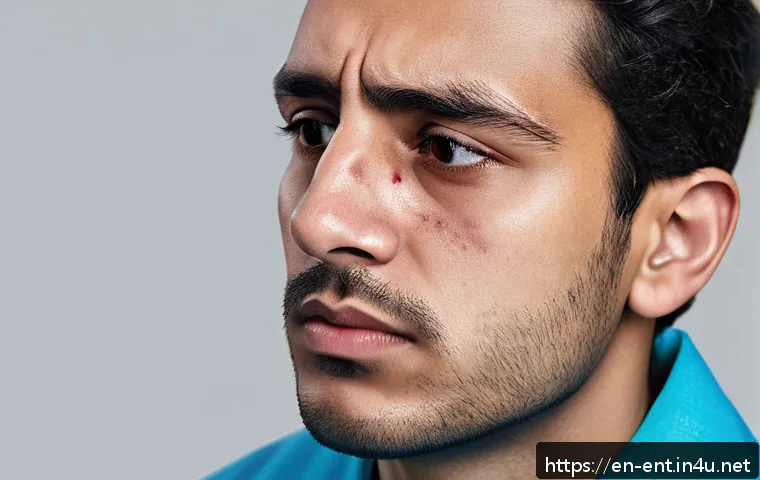
Hey everyone! With the rise in outdoor activities and sports this season, nasal injuries seem to be popping up more often than ever. If you’ve ever wondered how to spot a nasal bone fracture or when it’s time to consider surgery, you’re in the right place.

Understanding the signs early can make a huge difference in recovery and comfort. Stick around as we dive into the key symptoms and explain when medical intervention becomes essential.
Trust me, knowing this could save you from unnecessary pain down the road!
Recognizing the Subtle and Obvious Signs of Nasal Trauma
Visible Changes That Signal Trouble
When your nose takes a hit, it’s not always just about the pain. One of the first things you might notice is swelling that seems to balloon quickly around the nose and eyes, sometimes creating a “black eye” look even if the impact was directly on your nose.
Bruising can appear not only over the nasal bridge but also under the eyes, which is a red flag for a more serious injury. Deformity is another clear sign; if your nose looks crooked or out of shape compared to before the injury, it’s a strong indication that the nasal bones might be fractured.
Sometimes, this deformity isn’t obvious right away because of swelling, so keeping an eye on it over the first day or two is important. Nasal bleeding that won’t stop despite applying pressure is also a sign that something is wrong beyond just a minor bump.
Pain Patterns and Sensations to Watch
Pain from a nasal fracture isn’t just about the initial hit. It tends to be sharp and intense initially, but if it lingers or worsens over days, that’s a warning sign.
You might feel tenderness when touching the nose or when moving your facial muscles, such as when smiling or speaking. Another thing I noticed from personal experience and from talking to others is a sensation of nasal congestion or blockage that doesn’t clear up like a typical stuffy nose.
This can indicate swelling or displacement inside the nasal cavity, which can interfere with breathing. Also, any numbness around the nose or upper lip area could suggest nerve involvement, which requires prompt medical evaluation.
When to Seek Professional Imaging and Evaluation
Not every bump on the nose needs an X-ray or CT scan, but if you observe persistent deformity, ongoing bleeding, or difficulty breathing through your nose, it’s time to get a thorough check-up.
Imaging helps determine if the nasal bones are simply bruised or truly fractured and displaced. In emergency rooms or clinics, a doctor will often perform a physical exam including palpating the nasal bones and checking for instability.
If the bones move abnormally or there’s a visible step-off in the nasal bridge, imaging confirms the diagnosis and guides treatment. Don’t delay this step if symptoms worsen; early intervention can prevent long-term issues like nasal obstruction or cosmetic deformity.
Understanding the Role of Pain and Swelling in Recovery Decisions
How Swelling Can Mask the True Extent of Injury
Swelling is nature’s way of protecting an injured area, but it can also hide the real damage beneath. In my experience, swelling peaks within 48 to 72 hours after the injury, often making the nose look bigger or misshapen temporarily.
This can be confusing because sometimes the swelling alone can mimic a fracture’s deformity. The key is to monitor whether the swelling starts to subside after a few days.
If the nose remains crooked or painful once the swelling goes down, that’s a clear sign the bones haven’t healed properly on their own. Applying cold compresses early on is a simple but effective way to reduce swelling and help you assess the injury more clearly as it calms.
Distinguishing Between Normal Pain and Concerning Symptoms
Pain is expected with any nasal trauma, but not all pain is created equal. Mild to moderate discomfort that improves day by day is normal and manageable with over-the-counter pain meds.
However, if pain intensifies or you experience sharp, shooting sensations when touching or moving your nose, this could mean the fracture is unstable or there’s damage to surrounding tissues.
Persistent headaches or facial pain spreading beyond the nose also warrant a closer look. From talking with patients who delayed treatment, I learned that ignoring worsening pain often leads to longer recovery times and sometimes the need for more complicated interventions later.
When Swelling and Pain Signal a Need for Medical Intervention
If swelling continues unabated beyond a week or pain remains severe despite treatment, it’s more than just a bruise. The nasal bones might have shifted out of place, or there could be internal bleeding causing pressure buildup.
Another sign that shouldn’t be ignored is difficulty breathing through the nose, which can worsen as swelling increases or if the bones obstruct the nasal passage.
In these cases, a visit to an ENT specialist or plastic surgeon is essential. They’ll evaluate whether nonsurgical measures suffice or if a reduction procedure—realigning the bones—is necessary to restore function and appearance.
When Surgery Becomes the Best Path Forward
Identifying Cases That Benefit from Surgical Correction
Not every nasal fracture needs surgery, but when the bones are severely displaced or when the nasal airway is compromised, surgical intervention often provides the best outcomes.
In my discussions with surgeons and patients alike, they emphasized that surgery is usually recommended if the nose is visibly crooked after swelling settles or if there is a persistent nasal obstruction.
Other indicators include fractures involving the nasal septum, which can cause long-term breathing difficulties or chronic nosebleeds if left untreated.
Surgery, in these cases, aims to restore both the aesthetic shape and the functional airway of the nose.
Types of Surgical Procedures Commonly Used
The two main surgical options are closed reduction and open reduction. Closed reduction is less invasive and usually done within two weeks of the injury; it involves manually realigning the bones without making external incisions.
Open reduction, on the other hand, requires small incisions and is reserved for more complex fractures or when previous attempts at closed reduction fail.
This procedure allows the surgeon to directly visualize and fix the bones with plates or screws if necessary. I’ve heard from patients that while open reduction has a longer recovery, it often results in better long-term stability and cosmetic results.
Post-Surgery Expectations and Recovery Tips
Recovery after nasal surgery involves managing swelling, avoiding trauma, and following your doctor’s instructions carefully. It’s normal to experience bruising and some discomfort for up to two weeks, but pain can usually be controlled with medication.
From what I’ve observed, keeping the head elevated and applying cold packs in the initial days speeds up healing. Avoiding strenuous activities and protecting the nose from accidental bumps is crucial during the recovery period, which can last several weeks.
Follow-up appointments are important to ensure the bones are healing in the correct position and to address any complications early.
Practical Table: Key Indicators for Nasal Bone Fracture and Recommended Actions
| Symptom or Sign | What It Might Mean | Recommended Action |
|---|---|---|
| Swelling and Bruising Around Nose and Eyes | Common in nasal trauma, may mask fractures | Apply ice; monitor swelling for 2-3 days |
| Visible Deformity or Crooked Nose | Likely nasal bone displacement or fracture | Seek medical evaluation promptly |
| Persistent Nasal Bleeding | Possible vascular injury or septal hematoma | Apply pressure; if bleeding continues, visit ER |
| Difficulty Breathing Through Nose | Internal obstruction from swelling or bone displacement | Consult ENT specialist urgently |
| Severe or Increasing Pain | May indicate unstable fracture or tissue damage | Use pain relief; if pain worsens, get professional assessment |
| Numbness Around Nose or Upper Lip | Possible nerve involvement | Require prompt medical evaluation |
How to Care for a Suspected Nasal Fracture at Home Before Seeing a Doctor
Initial Steps to Reduce Damage and Discomfort
Right after the injury, the first thing to do is control bleeding and swelling. Sit upright and lean forward slightly to prevent blood from flowing down your throat.
Applying a cold pack wrapped in a cloth to your nose for 10-15 minutes every hour helps reduce swelling and numbs pain. Avoid blowing your nose, as this can worsen bleeding or cause displacement of fractured bones.
If you feel dizzy or faint, or if the bleeding is heavy, seek emergency care immediately.
When to Use Pain Relief and What to Avoid
Over-the-counter painkillers like acetaminophen are generally safe and effective for managing pain. I’ve found that avoiding blood-thinning medications like aspirin or ibuprofen initially is a good idea, as they can increase bleeding risk.
However, if swelling is severe, anti-inflammatory drugs might be recommended by your healthcare provider. Rest is essential, and try to avoid strenuous activities that could exacerbate the injury or cause new trauma.
Monitoring for Changes That Require Urgent Care

Keep track of your symptoms carefully. If swelling and bruising worsen instead of improving after a couple of days, or if you develop a fever or severe headache, these could be signs of complications such as infection or more severe trauma.
Also, if your breathing becomes labored or you experience increasing difficulty swallowing or speaking, go to the emergency room without delay. These signs indicate that the injury may be affecting more than just the nasal bones.
Long-Term Consequences of Untreated or Improperly Managed Nasal Fractures
Chronic Nasal Obstruction and Breathing Problems
One of the most common issues people face when a nasal fracture isn’t treated properly is ongoing difficulty breathing through the nose. This often results from a deviated septum or persistent swelling and scar tissue buildup inside the nasal passages.
I’ve seen cases where patients struggled for months or even years, resorting to mouth breathing, which can affect sleep quality and overall health. Surgery to correct these obstructions later is often more complicated than timely initial treatment.
Permanent Cosmetic Deformities
A crooked or misshapen nose can be more than just a cosmetic issue—it can affect self-esteem and confidence. Without proper realignment, the nasal bones heal in an abnormal position, creating bumps, dips, or asymmetry.
I’ve talked to many people who delayed treatment and later regretted it because correcting these deformities surgically is often more invasive and costly.
Early intervention generally leads to better cosmetic outcomes with less scarring and shorter recovery.
Risk of Recurrent Infections and Nosebleeds
Untreated fractures, especially those involving the septum, can lead to chronic nasal infections or frequent nosebleeds. Scar tissue or septal hematomas that aren’t addressed can become breeding grounds for bacteria.
From a practical standpoint, this means more visits to doctors and interruptions to daily life. Protecting your nose and seeking timely care can prevent these frustrating long-term problems.
Tips for Preventing Nasal Injuries During Sports and Outdoor Activities
Choosing Proper Protective Gear
The simplest and most effective way to avoid nasal fractures is wearing appropriate protective equipment. For sports like basketball, football, or cycling, helmets with face guards or specially designed nasal protectors can absorb impacts and reduce injury risk.
I personally started using a clear nasal guard when playing pickup basketball after a minor injury, and it made me feel much more secure. It’s worth investing in quality gear tailored to your activity level.
Practicing Safe Techniques and Awareness
Sometimes injuries happen because of accidental collisions or falls. Being mindful of your surroundings and learning proper techniques for tackling, falling, or blocking can reduce risk.
Coaches and trainers often emphasize these skills, but it’s easy to forget when you’re caught up in the moment. Keeping your head up and avoiding reckless moves also helps protect your face.
Responding Quickly to Minor Injuries
If you do get a minor knock to the nose, don’t brush it off. Early application of ice, avoiding nose blowing, and monitoring symptoms can prevent a small injury from becoming a serious fracture.
I’ve seen friends ignore initial pain only to develop worse problems days later. Prompt care means less downtime and better healing.
Consulting Specialists: Who to See and When
Primary Care vs. Emergency Room Visits
For mild injuries with minor swelling and no deformity, visiting your primary care doctor or urgent care clinic is a good first step. They can evaluate the injury and refer you if needed.
However, if you have heavy bleeding, severe pain, or trouble breathing, going straight to the emergency room is the safest choice. I’ve had cases where prompt ER evaluation prevented complications.
When to See an ENT or Facial Plastic Surgeon
If your injury involves significant deformity, airway obstruction, or if you’re considering surgery, an ENT specialist or facial plastic surgeon is the expert to consult.
These doctors have the skills and tools to assess complex nasal fractures and recommend the best treatment plan. Many of them offer both nonsurgical and surgical options, so you get comprehensive care.
Follow-Up and Rehabilitation
Nasal fractures often need follow-up appointments to monitor healing. Your specialist may recommend nasal sprays, decongestants, or even physical therapy exercises to improve function.
Staying engaged with your healthcare team ensures the best possible recovery and minimizes the chance of long-term problems.
Conclusion
Recognizing the signs of nasal trauma early can make a significant difference in recovery and long-term outcomes. Timely medical evaluation helps prevent complications and ensures proper healing. Whether the injury seems minor or more severe, paying close attention to symptoms and seeking professional advice when needed is crucial. Taking care of your nose after trauma supports both function and appearance.
Helpful Information to Keep in Mind
1. Applying ice immediately after injury can reduce swelling and pain effectively.
2. Avoid blowing your nose after trauma to prevent worsening bleeding or displacement.
3. Persistent or worsening pain, deformity, or breathing difficulty requires prompt medical attention.
4. Protective gear during sports is a simple and effective way to reduce the risk of nasal injuries.
5. Follow-up care is essential to ensure proper healing and to address any complications early.
Key Takeaways
Early identification of nasal trauma symptoms like swelling, deformity, and breathing issues is vital for successful treatment. Not all nasal injuries require surgery, but severe displacement or airway obstruction often does. Managing pain and swelling at home is helpful, but worsening symptoms should never be ignored. Consulting specialists ensures comprehensive care and better long-term results. Preventative measures during physical activities can significantly reduce the risk of nasal fractures.
Frequently Asked Questions (FAQ) 📖
Q: uestions about Nasal Bone FracturesQ1: What are the most common signs that indicate a nasal bone fracture?
A: If you’ve taken a hit to the nose and notice swelling, bruising around the eyes, difficulty breathing through the nostrils, or a crooked appearance of the nose, these are classic signs of a nasal bone fracture.
You might also experience nosebleeds or a popping sound at the moment of injury. From my experience, the combination of pain and noticeable deformity is usually a clear hint that you should see a doctor promptly.
Q: When should I consider surgery for a broken nose instead of just using ice and painkillers?
A: Surgery is typically recommended if the nasal bones are severely displaced, causing breathing difficulties or significant cosmetic deformity. If you notice your nose is visibly crooked, you have trouble breathing through one or both nostrils, or persistent swelling and pain don’t improve within a week, it’s time to consult an ENT specialist.
I’ve seen many cases where early surgical intervention led to better long-term results, especially when the injury affects the nasal septum or structure.
Q: How soon after a nasal injury should I seek medical attention?
A: Ideally, you should get evaluated by a healthcare professional within 24 to 48 hours after the injury. Prompt assessment helps in deciding whether simple treatments like ice and rest are enough or if more advanced interventions, like realignment or surgery, are necessary.
Waiting too long can lead to complications like chronic nasal obstruction or a permanently misshapen nose. From personal experience, early medical advice saved me from prolonged discomfort and the need for more invasive procedures later on.