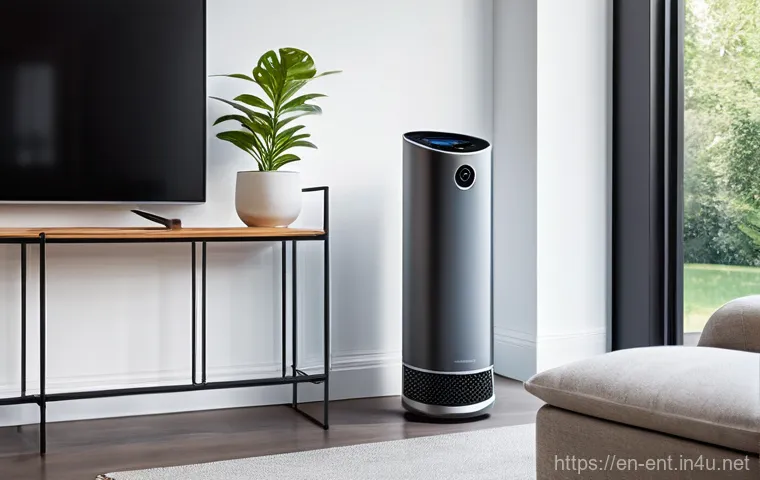
Hey there, fellow allergy warriors and clean air enthusiasts! If you’re anything like me, you know the absolute frustration of waking up with a stuffy nose, itchy eyes, and that relentless sneezing, even when you haven’t stepped foot outside.
It’s like our homes, supposedly our safe havens, are secretly plotting against our respiratory systems! I’ve personally navigated the maze of seasonal sniffles and year-round indoor allergens, and let me tell you, it truly opened my eyes to just how critical our indoor air quality really is.
We spend up to 90% of our lives indoors, and shockingly, the air inside can be two to five times more polluted than the air outside. That’s a mind-boggling statistic when you think about it!
But here’s the good news: you don’t have to surrender to those pesky particles. The world of air purification has exploded with incredible advancements, especially looking towards 2025.
We’re talking about smart air purifiers that practically read your mind (and your air!) with AI-driven sensors, and whole-home filtration systems that integrate seamlessly with your smart living space, making your home a genuine sanctuary from dust mites, pet dander, mold, and even those tiny outdoor pollens that sneak in.
From the latest in HEPA technology, capable of snatching up microscopic irritants, to innovative combinations with activated carbon and UV-C light, the solutions are more powerful and user-friendly than ever before.
If you’re ready to ditch the daily discomfort and finally breathe easier, feeling refreshed and energized in your own home, then you’re in the right place.
Let’s uncover the secrets to a truly clean and allergy-free home environment, shall we? You’ll be amazed at how simple and effective these strategies can be to reclaim your comfort and well-being.
Decoding the Latest in Smart Air Purification Technology for 2025
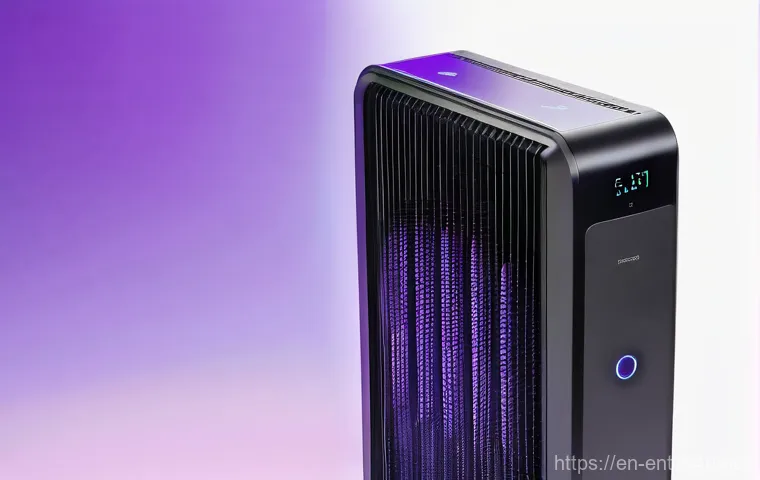
It feels like just yesterday we were marveling at basic HEPA filters, but trust me, the game has completely changed. When I first started looking into air purifiers years ago, it felt like a chore, a necessary evil to keep my sneezes at bay.
But now, it’s genuinely exciting! The advancements in smart air purification technology are nothing short of revolutionary, making our homes not just cleaner, but smarter and more responsive to our needs.
We’re talking about devices that don’t just filter air; they understand it, they react to it, and they integrate seamlessly into our lives. Imagine an air purifier that knows when you’re cooking something fragrant (or smoky!) and kicks into high gear, or one that detects an uptick in pollen outside and proactively cleans your indoor air before you even feel a tickle in your nose.
That’s the reality of 2025’s smart air purifiers, and honestly, it’s a total game-changer for anyone who struggles with allergies or just wants to breathe easier.
These aren’t just gadgets; they’re essential health companions.
AI-Driven Sensors and Real-Time Air Quality Monitoring
The biggest leap forward, in my humble opinion, is the sophistication of AI-driven sensors. Remember those clunky indicators that barely told you anything useful?
Well, those days are long gone. The latest models boast multi-sensor arrays that can detect everything from volatile organic compounds (VOCs) emitted by cleaning products and furniture, to particulate matter like dust, pet dander, and even mold spores.
This isn’t just about showing you a number on a screen; it’s about providing actionable insights. I’ve personally seen my smart purifier adjust its fan speed the moment I start toasting bread a little too long, or ramp up when my cat decides to have a particularly energetic playtime session.
It’s like having a tiny, vigilant air quality scientist living in your home, constantly working to optimize your breathing environment. The real-time data integration with companion apps means you can track trends, understand your home’s unique pollution patterns, and even get personalized recommendations for improving air quality.
It truly feels like these devices are designed with our actual, messy, human lives in mind, rather than just being passive filters.
Seamless Integration with Your Smart Home Ecosystem
What’s the point of smart tech if it doesn’t play nice with everything else, right? That’s exactly what developers have been focusing on. The latest air purifiers are designed to be part of your broader smart home ecosystem, connecting with voice assistants like Alexa or Google Assistant, and even smart thermostats and lighting systems.
I love being able to simply tell my smart speaker to “boost the air purification” when I feel a bit congested, or setting up routines so the purifier automatically turns on an hour before I get home from work.
This level of integration makes managing your indoor air quality effortless, fading into the background of your daily life until you really need it. It’s not just about convenience; it’s about creating a truly holistic environment where every device works together to enhance your comfort and well-being.
This kind of synergy is what really makes smart home technology feel genuinely useful and not just a gimmick.
Beyond HEPA: Unveiling Next-Gen Filtration Systems
When I first dipped my toes into the world of air purification, HEPA was the gold standard, and for good reason! It’s incredibly effective at capturing tiny particles.
But just like everything else, technology doesn’t stand still, and the innovations happening right now are truly exciting, pushing far beyond what traditional HEPA alone can offer.
It’s like discovering there’s an even more powerful superhero team ready to tackle indoor pollutants! We’re seeing a fascinating blend of established and emerging technologies working in concert to provide an unprecedented level of clean air.
This multi-stage approach isn’t just about making the air smell fresher; it’s about meticulously removing a broader spectrum of irritants and contaminants that can wreak havoc on our health, from seasonal allergies to more insidious long-term issues.
For someone like me who’s tried countless methods to keep allergies at bay, these advancements offer a genuine sense of hope and relief. It truly feels like a new era for indoor air quality, and I’m here for it!
The Power Duo: HEPA with Activated Carbon
While HEPA filters are champions at capturing microscopic particles like dust mites, pollen, and pet dander, they have a limitation: they don’t tackle odors or harmful gases.
That’s where activated carbon comes into play, and it’s a phenomenal partner. Think of activated carbon as a sponge for smells and chemical pollutants.
It’s incredibly porous, with a massive surface area that can adsorb odors from cooking, pets, smoke, and volatile organic compounds (VOCs) that off-gas from paints, cleaning supplies, and even new furniture.
Many premium air purifiers now combine a true HEPA filter with a substantial layer of activated carbon, offering a comprehensive solution that captures both particulate matter and gaseous pollutants.
My own experience with a unit combining these two has been transformational; not only do I breathe easier, but my home genuinely smells fresher, without that lingering “stale air” scent that used to bother me.
It’s truly the dynamic duo of air purification, addressing a wider range of indoor air quality issues.
Innovative Combinations: UV-C Light and Ionization
Beyond HEPA and activated carbon, some cutting-edge air purifiers are integrating additional stages to boost their efficacy. UV-C light, for example, is making a comeback in a more refined way.
When used correctly, UV-C light can neutralize airborne viruses, bacteria, and mold spores by disrupting their DNA. It’s not about capturing them; it’s about rendering them inert.
Now, there’s always been a discussion around UV-C, but modern systems are designing their UV-C chambers to ensure maximum effectiveness without any ozone byproduct concerns.
Similarly, some purifiers utilize ionization, which releases charged ions into the air that attach to pollutants, making them heavier and easier for the filter to capture or causing them to fall out of the air.
While ionization can be effective, it’s crucial to ensure the purifier you choose is ozone-free, as ozone itself is a respiratory irritant. When these technologies are thoughtfully integrated into a multi-stage filtration system, they offer an extra layer of protection, particularly valuable in environments where airborne pathogens are a concern.
I’ve found that these enhanced systems give me an extra sense of security, especially during flu season.
Crafting an Allergy-Proof Sanctuary: Holistic Home Approaches
It’s easy to fall into the trap of thinking an air purifier is a magic bullet, and while they’re incredibly powerful tools, they’re just one piece of the puzzle.
When I really committed to transforming my home into an allergy-proof sanctuary, I realized it required a more holistic approach, addressing not just the air itself, but also the surfaces, the fabrics, and even our daily habits.
It’s about creating an ecosystem where allergens simply don’t stand a chance. This isn’t about being obsessive; it’s about making smart, consistent choices that collectively reduce your exposure to triggers.
Think of it as building a robust defense system for your entire home. From the moment you wake up to when you lay your head down at night, every element of your living space can either contribute to or detract from your allergy relief.
It truly opened my eyes to how many hidden culprits were lurking around, and once I started tackling them systematically, the difference was profound.
Targeting Dust Mites Where They Live
Dust mites are tiny, invisible creatures, but they’re absolute giants when it comes to triggering allergies and asthma. The frustrating part? They thrive in warm, humid environments, feasting on dead skin cells, making our beds, upholstered furniture, and carpets their five-star resorts.
My personal battle with dust mites taught me that aggressive cleaning alone isn’t enough; you need to be strategic. Encasing mattresses and pillows in allergen-proof covers is non-negotiable – it creates a barrier between you and their favorite hangout spot.
Washing bedding weekly in hot water (at least 130°F or 54°C) is also crucial. For carpets, if you can, consider replacing them with hard flooring, which is much easier to keep clean.
If removal isn’t an option, a high-quality vacuum with a HEPA filter is your best friend. I also swear by keeping humidity levels below 50% using a dehumidifier, especially in damp areas like basements.
It starves them of the moisture they need to thrive, and trust me, that makes a huge difference you can feel.
Managing Pet Dander and Pollen Infiltration
As a pet owner, I know the struggle is real when it comes to pet dander. Our furry friends bring so much joy, but also a relentless source of allergens.
Regular grooming and bathing your pets can significantly reduce the amount of dander floating around. Designating “allergy-free zones” in your home, like the bedroom, where pets aren’t allowed, can also provide a much-needed reprieve, especially at night.
Beyond our pets, outdoor pollen is a master infiltrator. It hitches rides on our clothes, our hair, and even blows in through open windows. My trick?
Kicking off shoes at the door, changing clothes after coming inside on high-pollen days, and giving my hair a quick brush. Keeping windows closed during peak pollen times and relying on your air conditioner with a good quality filter can also make a world of difference.
It’s about being mindful of how these external allergens make their way in and taking simple steps to intercept them before they settle.
The Silent Guardians: Understanding and Utilizing Whole-Home Filtration
While standalone air purifiers are fantastic for specific rooms, if you’re serious about creating an overarching clean air environment throughout your entire home, whole-home filtration systems are where it’s at.
These are the unsung heroes working quietly behind the scenes, ensuring that every breath you take, in every corner of your house, is as clean as possible.
I used to think these were only for people with extreme allergies or brand-new houses, but I’ve learned that integrating these systems can dramatically elevate the indoor air quality standard for *everyone*.
It’s a comprehensive approach that tackles pollutants at the source—your HVAC system—making it an incredibly efficient way to manage allergens and other airborne irritants throughout your entire living space.
The sheer convenience and consistent air quality they provide are, in my opinion, unparalleled.
Upgrading Your HVAC Filter: More Than Just a Basic Mesh
Let’s be honest, most of us probably just stick with the cheapest, most basic filter our HVAC system requires. I know I did for years! But that flimsy mesh filter is barely doing anything beyond protecting your furnace from large dust bunnies.
To truly leverage your HVAC system for air purification, you need to upgrade to a higher MERV (Minimum Efficiency Reporting Value) rated filter. A MERV rating of 11-13 is generally recommended for homes with allergy sufferers.
These filters are significantly more effective at capturing smaller particles like pollen, pet dander, mold spores, and even some bacteria. It’s a simple switch, but it makes a colossal difference.
Just remember to check your HVAC system’s compatibility and change these higher-rated filters regularly, as they can restrict airflow more if they get clogged.
I make it a point to mark my calendar every three months for a filter change; it’s a small task that yields huge benefits in cleaner air and efficient system operation.
Integrating Advanced Whole-Home Filtration Units
Beyond just upgrading your regular HVAC filter, you can integrate dedicated whole-home air purification units directly into your existing ductwork. These aren’t just bigger filters; they are often sophisticated systems that can include high-efficiency HEPA filters, activated carbon stages, UV-C lights, or even electronic air cleaners.
These units work in conjunction with your furnace and air conditioning to continuously purify the air as it circulates throughout your home. This means no more moving individual units from room to room, and a consistent level of clean air everywhere.
While the initial investment might be higher than a portable unit, the long-term benefits in terms of comprehensive coverage and reduced allergy symptoms can be truly invaluable.
When I finally installed a system like this, the difference was palpable across the entire house, not just in my bedroom. It truly felt like I was breathing a different kind of air everywhere I went indoors.
Navigating the Maze: Choosing the Right Air Purifier for Your Space
Stepping into the world of air purifiers can feel a bit like trying to solve a complicated puzzle, especially with so many options popping up every day.
I remember feeling completely overwhelmed when I first started my search, drowning in a sea of specifications and marketing jargon. It’s easy to get lost, but it doesn’t have to be that way!
The key is to understand your specific needs, your space, and what technologies will genuinely serve you best. Don’t just grab the first one you see on a sales ad; a little bit of research and understanding goes a long way in making an informed decision that you’ll be happy with for years to come.
Ultimately, the “best” air purifier isn’t a one-size-fits-all answer; it’s the one that perfectly aligns with your home environment and your personal health priorities.
Understanding CADR and Room Size
One of the most crucial metrics you need to pay attention to is the Clean Air Delivery Rate (CADR). This number, measured in cubic feet per minute (CFM), indicates how quickly the air purifier removes pollutants from a given room size.
It usually has separate ratings for smoke, pollen, and dust. A higher CADR means faster cleaning. But here’s the kicker: you need to match the CADR to your room size.
A small purifier in a large living room will be largely ineffective, just like trying to bail out a leaky boat with a teacup. Most manufacturers will provide a recommended room size for their units, often in square feet.
My advice? Measure your room dimensions and aim for a CADR that’s slightly higher than the minimum recommended for your space. This ensures it can handle the workload, especially if you have an open floor plan or higher ceilings.
Don’t skimp on this step; it’s fundamental to the purifier’s effectiveness.
Noise Levels and Energy Efficiency

Imagine finally getting a powerful air purifier, only to find it sounds like a small airplane taking off in your bedroom all night! Noise levels are a critical, often overlooked, factor.
Purifiers are rated in decibels (dB), and while they might be quiet on the lowest setting, check the noise output on medium and high, especially if it’s for a bedroom or living area where you’ll be spending a lot of time.
Many newer models boast “sleep modes” or ultra-quiet operation, which are fantastic features to look for. Similarly, energy efficiency is paramount. An air purifier that runs 24/7 can add up on your electricity bill.
Look for ENERGY STAR® certified models, which are designed to consume less power. Many smart purifiers also have eco-modes or automatic settings that adjust fan speed based on air quality, saving energy when the air is already clean.
It’s about finding that sweet spot between powerful performance and quiet, cost-effective operation.
| Feature Category | What to Look For | Why It Matters for Allergies |
|---|---|---|
| Filtration Type | True HEPA (H13 or higher) + Activated Carbon | HEPA captures microscopic allergens (pollen, dander, dust mites); Carbon removes odors and VOCs. |
| CADR Rating | Match to room size (e.g., 200 CFM for a 250 sq ft room) | Ensures effective and quick air purification for your specific space. |
| Smart Features | AI sensors, app control, smart home integration | Automated adjustments, remote monitoring, and seamless daily use for optimal air quality. |
| Noise Level | Below 50 dB on highest setting, <30 dB on sleep mode | Crucial for bedrooms and living areas to ensure comfort and undisturbed sleep. |
| Energy Efficiency | ENERGY STAR® certified | Reduces electricity costs and environmental impact, especially for continuous operation. |
| Maintenance | Easy filter replacement, filter life indicator | Simplifies upkeep and ensures consistent performance. |
Smart Home, Smarter Air: Integrating Purifiers into Your Ecosystem
For those of us who’ve embraced the smart home revolution, it’s not just about turning lights on with our voice or having a thermostat that learns our habits.
The next frontier, and one that deeply excites me, is truly intelligent air quality management. We’re moving beyond standalone gadgets and into a world where our air purifiers are talking to our other devices, creating a truly harmonious and responsive living environment.
This isn’t just a convenience; it’s about optimizing your home’s health based on real-time data and your lifestyle. The synergy between smart purifiers and the broader ecosystem can elevate your experience from simply “clean air” to a truly “intelligent health hub” in your home.
I’ve personally configured my smart home to proactively manage my air, and the difference in my daily comfort is genuinely remarkable. It feels like my home is looking out for me, rather than me constantly having to manage it.
Automating Your Air Quality with IFTTT and Routines
This is where the real magic happens for tech-savvy allergy sufferers. Many modern smart air purifiers come with their own apps, but the power really unlocks when you integrate them with platforms like IFTTT (If This Then That) or your smart home hub’s native routines.
Imagine setting up a routine where your air purifier automatically kicks into high gear when your smart weather station detects a high pollen count outside.
Or perhaps, when your smart oven indicates it’s been on for more than 30 minutes, your kitchen air purifier automatically switches on to deal with cooking fumes.
I’ve even set up a simple “Good Morning” routine that gently starts my bedroom purifier on a low setting as I wake up. These kinds of automations mean less manual intervention and more consistent air quality tailored to your specific needs and daily rhythms.
It transforms the act of air purification from a chore into an invisible, ever-present benefit.
Voice Control and Seamless User Experience
Let’s be real, sometimes you just want things to be easy. That’s why voice control has become such a game-changer for smart air purifiers. Being able to simply say, “Alexa, turn on the living room air purifier to high,” or “Hey Google, what’s the air quality like in the bedroom?” is incredibly convenient, especially when you’re busy or just don’t want to fiddle with an app.
Beyond voice commands, the user experience of the companion apps has also improved dramatically. We’re seeing intuitive interfaces that allow you to easily monitor air quality, adjust settings, track filter life, and even schedule operations from anywhere.
This seamless interaction means you’re more likely to use your purifier effectively and consistently, maximizing its benefits. I’ve found that the easier a device is to use, the more I integrate it into my daily life, and the more value I get from it.
Maintenance Made Easy: Keeping Your Air Purifier at Peak Performance
Getting a top-of-the-line air purifier is only half the battle, my friends. To truly reap the benefits and ensure it’s working efficiently to keep those pesky allergens at bay, consistent maintenance is absolutely key.
I’ve learned this the hard way over the years; there’s nothing worse than investing in a great unit only to realize it’s underperforming because I neglected a simple filter change.
Think of it like taking care of your car – you wouldn’t expect it to run perfectly forever without an oil change, right? Air purifiers are the same. Their effectiveness directly correlates with how well you maintain them, and thankfully, modern purifiers are making this process simpler and more straightforward than ever before.
It’s not a burden; it’s a vital part of ensuring your clean air sanctuary remains just that.
The Golden Rule: Regular Filter Replacement
This is probably the most crucial aspect of air purifier maintenance. Filters, particularly HEPA and activated carbon filters, are designed to trap pollutants, and over time, they get saturated.
A clogged filter can’t effectively capture new particles, and in some cases, it can even become a breeding ground for bacteria or mold, or start releasing trapped particles back into your air.
Yuck! Most manufacturers provide clear guidelines on how often to replace filters, typically every 6-12 months for HEPA and 3-6 months for activated carbon, depending on usage and air quality.
Many smart purifiers now even have handy filter life indicators on their displays or in their apps, taking the guesswork out of it. My personal tip? Buy replacement filters in bulk when they’re on sale; it saves money and ensures you always have a fresh one on hand when the indicator lights up.
Don’t procrastinate on this one; your lungs will thank you!
Cleaning Pre-Filters and Exterior Surfaces
Before the main HEPA and carbon filters, most air purifiers have a washable pre-filter. This mesh filter is designed to catch larger particles like pet hair, lint, and big dust clumps, extending the life of your more expensive main filters.
Giving this pre-filter a quick vacuum or rinse under the tap (make sure it’s completely dry before putting it back!) every 2-4 weeks can make a huge difference in your unit’s overall efficiency and airflow.
Beyond the filters, don’t forget the exterior of your purifier. Dust can accumulate on the grilles and vents, potentially hindering airflow and making the unit less effective.
A quick wipe-down with a damp cloth every month or so keeps it looking good and performing optimally. It’s all about creating an unobstructed path for the air to flow through the filtration system, ensuring every component can do its job effectively.
These small, consistent efforts pay off immensely in the long run.
Beyond Gadgets: Lifestyle Hacks for Superior Indoor Air Quality
While I’m a massive advocate for cutting-edge air purifiers and smart home integration, I’ve also come to realize that technology alone isn’t the complete picture.
Sometimes, the most impactful changes come from simple, everyday habits and mindful choices that complement our purification efforts. Think of these as the “unseen forces” that work alongside your gadgets, enhancing their effectiveness and creating a truly robust defense against indoor pollutants.
These aren’t just about making your house look tidy; they’re about minimizing the sources of allergens and contaminants at their root. My own journey to an allergy-friendly home taught me that these simple lifestyle adjustments, often overlooked, can profoundly improve your indoor environment and, consequently, how you feel day-to-day.
It’s about being proactive and creating an environment where allergens struggle to survive, rather than just reacting to them.
Embracing Regular, Mindful Cleaning Practices
I used to dread cleaning, but once I reframed it as an essential part of my allergy management strategy, my perspective totally shifted. Regular cleaning isn’t just for aesthetics; it actively removes allergens before they become airborne or deeply embedded.
This means dusting with a damp cloth to trap particles rather than just scattering them, and vacuuming frequently with a HEPA-filtered vacuum cleaner.
Pay special attention to areas where allergens love to hide, like under beds, behind furniture, and on curtains. I’ve found that even quick, daily tidies make a huge difference, especially in the bedroom.
And don’t forget those often-missed spots like ceiling fan blades, which can become veritable dust flingers! The goal isn’t sterile perfection, but consistent effort to reduce the allergen load in your home.
It’s a continuous battle, but one that yields immediate, tangible results in how you breathe.
Ventilation, Humidity, and Natural Air Flow
Sometimes the best “purifier” is simply opening a window – when the outdoor air quality allows, of course! Proper ventilation is crucial for diluting indoor pollutants and bringing in fresh air.
Even just cracking windows for 5-10 minutes a day, particularly when cooking or after using cleaning products, can significantly improve air exchange.
Beyond that, managing indoor humidity is a game-changer for allergy sufferers. High humidity (above 60%) encourages mold and dust mites, while overly dry air can irritate respiratory passages.
Aim for a comfortable 40-50% humidity level using a dehumidifier or humidifier as needed. I’ve found that a good balance makes a noticeable difference in my breathing comfort.
Also, consider indoor plants. While not air purifiers in the traditional sense, some plants can help filter VOCs and improve air freshness, adding a natural touch to your clean air strategy.
It’s about combining technology with natural principles for the best possible outcome.
Wrapping Things Up
Whew! We’ve covered a lot of ground today, haven’t we? From the mind-blowing advancements in AI-driven sensors to the often-overlooked power of whole-home filtration, it’s clear that the world of air purification is more dynamic and exciting than ever before. For someone like me, who’s always chasing that feeling of truly fresh, clean air, these innovations aren’t just gadgets – they’re game-changers. I genuinely hope this deep dive has given you a clearer picture of how you can transform your own home into an allergy-proof, health-optimized sanctuary. Remember, it’s not just about buying a device; it’s about embracing a lifestyle where every breath you take is a breath of fresh, healthy air. Your well-being is worth it, and with today’s smart tech, achieving that clean air nirvana is more accessible than ever!
Useful Information to Know
1. Regular HVAC Maintenance is Crucial: Don’t underestimate the power of your existing heating, ventilation, and air conditioning (HVAC) system. Scheduling routine professional inspections and keeping your filters clean and updated to a MERV 11-13 rating is a foundational step for improving overall home air quality.
2. Control Indoor Humidity: High humidity levels (above 60%) create a perfect breeding ground for mold and dust mites, major allergy triggers. Aim to maintain indoor humidity between 30-50% using dehumidifiers, especially in damp areas like basements, to keep these unwelcome guests at bay.
3. Embrace Natural Ventilation (When Possible): While smart purifiers are fantastic, sometimes the simplest solution is the best. Opening windows for 5-10 minutes a day, especially after cooking or cleaning, can help dilute indoor pollutants and bring in fresh air. Just be mindful of outdoor air quality and pollen counts before you open up!
4. Go Beyond Basic Cleaning: Regular cleaning is essential, but make it *mindful*. Use damp cloths for dusting to capture particles instead of just spreading them around, and consistently vacuum with a HEPA-filtered vacuum cleaner, paying attention to carpets and upholstered furniture where allergens love to hide.
5. Consider the “Shoes Off” Rule: A simple habit that can make a big difference. Kicking off shoes at the door prevents countless dirt particles, allergens, and chemicals from being tracked into your living space, significantly reducing the indoor pollutant load.
Key Takeaways
Navigating the world of smart air purification can feel like a lot, but remember these core ideas. First, modern air purifiers, especially those with AI-driven sensors and multi-stage filtration (True HEPA + Activated Carbon being the dynamic duo), offer unprecedented insights and control over your indoor air. Second, integrating these smart devices into your broader home ecosystem via voice control or automation routines makes managing your air quality truly effortless, weaving clean air seamlessly into your daily life. Finally, remember that technology is just one piece of the puzzle; pairing your smart purifier with holistic home approaches like strategic cleaning, humidity control, and regular HVAC maintenance creates a comprehensive defense against allergens and pollutants, ensuring your home isn’t just smart, but genuinely healthy. Prioritizing these elements will undoubtedly lead to a more comfortable and healthier living environment for you and your loved ones.
Frequently Asked Questions (FAQ) 📖
Q: What’s the biggest game-changer in air purification technology right now, especially for battling allergies, and is it truly effective?
A: Oh, my goodness, if you’re battling allergies like I am, you’re going to love what’s happening in air purification right now! For years, we relied on basic filters, but the game has completely changed.
The real game-changer, in my experience, has been the incredible leap in smart, multi-stage filtration systems. We’re not just talking about HEPA filters anymore, though a true HEPA filter (capturing 99.97% of particles as small as 0.3 microns) is still your absolute MVP for dust mites, pollen, and pet dander.
But now, it’s about the synergy. My personal favorite additions are activated carbon filters, which are wizards at sniffing out and neutralizing odors, VOCs (volatile organic compounds from cleaning products and paints), and even smoke.
For those extra stubborn mold spores or even bacteria and viruses, UV-C light sterilization is becoming more common in consumer units, adding an extra layer of defense.
But here’s the kicker: the integration of AI-driven smart sensors. I mean, seriously, these purifiers practically think for themselves! They constantly monitor your indoor air quality in real-time, detecting PM2.5 (fine particulate matter), VOCs, and allergens.
Then, they automatically adjust their fan speed to clean the air precisely when and where it’s needed most. I remember one spring, my allergies were terrible, and I noticed my smart purifier cranking up its speed when I had the windows open for a bit – it was literally responding to the increased pollen count sneaking in!
This automated, responsive cleaning means you’re not running it on high unnecessarily, saving energy, and you’re always breathing the cleanest possible air.
It’s like having a personal air quality guardian. From my firsthand experience, this intelligent responsiveness truly makes them incredibly effective, providing continuous relief without you having to lift a finger.
Q: With so many options out there, how can I genuinely tell which air purifier is actually going to make a difference for my specific allergy woes, and what should I look for beyond marketing buzzwords?
A: This is such a crucial question, and honestly, it’s where a lot of people get overwhelmed! Trust me, I’ve been there, staring at a dozen different boxes, wondering which one was my magic bullet.
My top advice? Ditch the buzzwords for a minute and focus on a few key metrics and what you specifically need. First, always check the CADR (Clean Air Delivery Rate).
This number, provided by the Association of Home Appliance Manufacturers (AHAM), tells you how quickly the purifier cleans a room of smoke, dust, and pollen.
The higher the CADR, the faster it cleans. Critically, match the CADR to your room size. A purifier designed for a small bedroom won’t cut it in a spacious living room.
I learned this the hard way trying to use a smaller unit in my open-plan kitchen – it just couldn’t keep up! Second, scrutinize the filter type. For allergies, a true HEPA filter is non-negotiable.
Don’t fall for “HEPA-like” or “HEPA-type” – they often don’t meet the strict 99.97% filtration standard. If you have pets or notice chemical odors, ensure it also has a substantial activated carbon filter.
My own home dramatically improved once I got a unit with a thick layer of granular activated carbon for my dog’s dander and general “pet smell.”Finally, consider your specific allergens.
If mold is an issue, a UV-C light could be beneficial. If you want seamless integration into your life, look for smart features like Wi-Fi connectivity, app control, and voice assistant compatibility.
Don’t forget to check the filter replacement costs and frequency! A fantastic purifier can become a financial drain if its filters are pricey and need changing every couple of months.
Always read independent reviews and look for certifications from reputable organizations. These real-world insights and certifications often tell you more than any fancy marketing ever could.
Q: Beyond just ‘cleaner air,’ what tangible benefits have people like us actually seen from investing in these newer air purification systems, and is the investment truly worth it in the long run?
A: Oh, the benefits go so far beyond just “cleaner air” – it’s truly transformative, and yes, absolutely worth the investment in the long run! I can personally attest to this.
Before I really committed to a quality air purification system, my mornings were a blurry mess of congestion and sneezing. Now, I wake up feeling so much more refreshed, and honestly, my energy levels throughout the day are noticeably better.
One of the most immediate and profound benefits for many, myself included, is significantly improved sleep quality. When your body isn’t fighting off allergens all night, you sleep deeper and wake up feeling genuinely rested.
I’ve noticed a huge reduction in that groggy, fuzzy-headed feeling that used to plague me. Beyond that, people often report a dramatic decrease in allergy symptoms, meaning less reliance on antihistamines or nasal sprays.
Think about the long-term savings on medication, not to mention the sheer comfort of not constantly sniffling or having itchy eyes! I’ve even heard from friends who’ve seen improvements in their children’s asthma symptoms, which is just incredible.
It also fosters a sense of calm and well-being in your home. Knowing that your indoor environment is actively being purified provides a subtle but powerful peace of mind.
I find I can concentrate better when the air is fresh, and there’s no lingering pet odor or stuffiness. Plus, the newer models are surprisingly energy-efficient, often costing pennies a day to run, especially with those smart sensors adjusting their operation.
When you factor in the health benefits, the potential reduction in healthcare costs, and the sheer comfort of breathing easily in your own sanctuary, the initial investment quickly starts to look like a wise and truly valuable decision.
It’s not just about a machine; it’s about reclaiming your comfort and vitality within your own home.