Hey everyone! Are you or your partner tired of those nightly, disruptive symphony performances that seem to shake the entire house? You know, the kind that leaves you both feeling absolutely wiped out every single morning?
Believe me, I totally get it. For years, I honestly just brushed off my own snoring, thinking it was just one of those annoying quirks, nothing serious.
But after countless restless nights and more than a few gentle (and not-so-gentle!) nudges from my significant other, I finally realized it wasn’t just impacting my sleep, but my overall energy, health, and even our relationship dynamic.
It’s truly more than just a noisy habit; it can be a serious red flag for underlying issues like sleep apnea, which can have significant long-term health implications that we definitely shouldn’t ignore.
I can distinctly remember feeling completely overwhelmed when I decided to tackle it – where do you even start? What kind of doctor should you see? What tests are involved?
And most importantly, how do you find a reputable clinic that genuinely offers effective solutions? Well, you are absolutely in the right place because I’ve spent a lot of time digging into this for you!
Through extensive research, my own journey, and even candid conversations with some leading sleep specialists, I’ve pulled together all the crucial information you’ll need to understand snoring, secure a proper diagnosis, and discover the best treatment options available.
Trust me, reclaiming a peaceful night’s sleep is incredibly valuable, and it’s totally achievable. Let’s accurately find out everything you need to know below!
Unpacking the Mystery Behind Your Nighttime Rumbles
The Mechanics Behind the Rumble
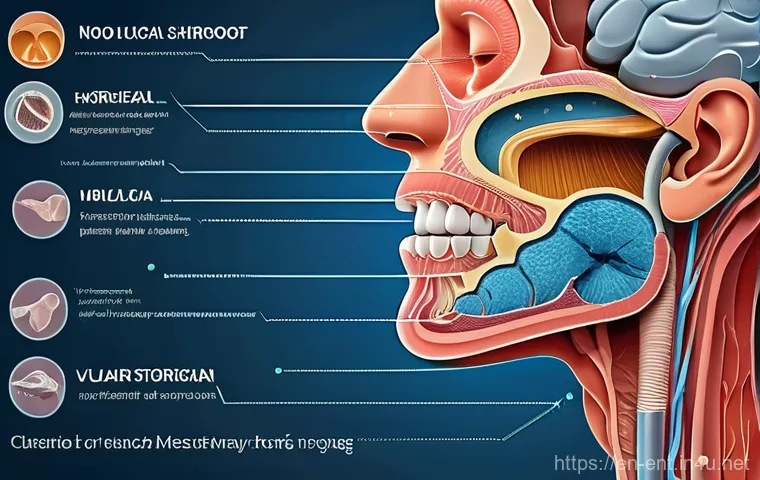
It’s genuinely fascinating how our bodies work, isn’t it? When we drift off to sleep, everything in our body relaxes, and that includes the muscles in our throat and tongue.
For some of us, this relaxation goes a bit too far, causing our airway to narrow. As we breathe in and out, the air squeezes through this smaller opening, making the soft tissues at the back of our throat — think your soft palate and uvula — vibrate.
And *voila!* That’s the sound of snoring. It’s not just a simple sound, though; factors like your individual anatomy, nasal congestion from allergies or a cold, alcohol consumption, and even your sleeping position can all play a starring role in how loud and frequent those rumbles become.
I remember countless nights where a stuffy nose would amplify my snoring to what felt like earthquake levels, much to my partner’s dismay. It’s truly a symphony of various components contributing to that nightly performance, and understanding these elements is the first step toward figuring out how to bring the curtain down.
When Snoring Becomes a Serious Red Flag
While occasional snoring might just be a minor annoyance, there’s a point where it can signal something far more serious. This is where I really started paying attention, especially after my partner described my breathing patterns as pausing, gasping, and choking during sleep.
These aren’t just loud snores; they are classic indicators of obstructive sleep apnea (OSA). With OSA, your airway actually closes completely or partially, repeatedly, throughout the night, causing your breathing to stop for short periods.
This deprives your body and brain of oxygen, leading to restless sleep, daytime fatigue, and a host of potential long-term health issues like high blood pressure, heart disease, stroke, and diabetes.
It was a wake-up call for me to realize that what I thought was just an irritating habit was actually impacting my health significantly. If you or your partner have noticed these alarming pauses, it’s absolutely crucial to seek professional medical advice.
Don’t brush it off like I did for too long; your health is far too important.
Navigating the Diagnostic Maze: Where to Start Your Journey
First Steps: Talking to Your Primary Doctor
When I finally decided enough was enough, my first stop was my primary care physician, and honestly, I wish I hadn’t waited so long. It felt a bit awkward at first, admitting to my doctor that my snoring was a problem, but they were incredibly understanding and professional.
This initial consultation is absolutely critical because your family doctor can evaluate your general health, discuss your symptoms, review your medical history, and often identify potential contributing factors like weight, allergies, or medication side effects.
They might ask you about your sleep habits, daytime fatigue levels, and whether your partner has observed any alarming breathing patterns. Based on this preliminary assessment, they can then guide you on the most appropriate next steps, which often involves a referral to a sleep specialist.
Think of them as your personal sleep detective, gathering the initial clues to solve your nighttime mystery. It’s a low-pressure way to start, and a good doctor will make you feel comfortable discussing something that can often feel a bit embarrassing.
Beyond the Basics: Specialized Sleep Centers
After my initial chat, my doctor suggested I visit a specialized sleep center, and that’s where things really started to get serious in a good way. These centers are staffed by a team of experts, including sleep medicine physicians, neurologists, pulmonologists, and even ENT specialists, all focused solely on diagnosing and treating sleep disorders.
Walking into one, I was immediately struck by the comprehensive approach; it wasn’t just about my snoring anymore but about understanding my entire sleep architecture.
They have advanced equipment and trained technicians dedicated to monitoring various physiological parameters while you sleep. The specialists here are equipped to interpret complex data from sleep studies and pinpoint the exact nature of your sleep disturbance, whether it’s sleep apnea, restless leg syndrome, narcolepsy, or another condition that might be contributing to your issues.
It’s a really reassuring feeling to know you’re in the hands of people who live and breathe sleep science every day.
What to Expect from a Sleep Study
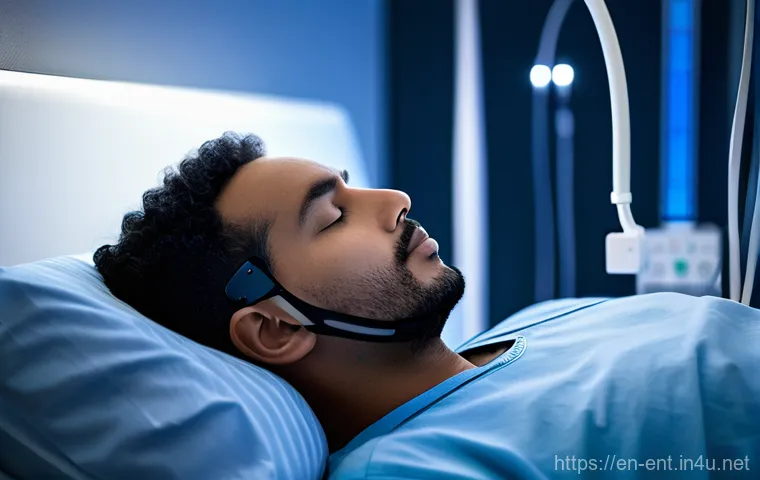
The idea of a sleep study (polysomnography) might sound a bit daunting – spending a night hooked up to wires in an unfamiliar bed – but I promise it’s not as bad as it sounds.
For me, it was an overnight stay at a dedicated sleep lab. Before I went, I was a bundle of nerves, picturing something out of a sci-fi movie. But the technicians were incredibly kind, explaining every sensor they attached: electrodes on my scalp to monitor brain waves (EEG), sensors on my face for eye movements (EOG) and muscle activity (EMG), and belts around my chest and abdomen to track breathing effort.
They also monitored my heart rate, oxygen levels, and leg movements. It felt a little strange at first, but honestly, I drifted off sooner than I expected.
Some clinics also offer home sleep apnea tests, which are more convenient but might not capture as much detailed information. The key takeaway here is that a sleep study provides an objective, scientific look at what’s happening to your body while you’re asleep, giving specialists the data they need to make an accurate diagnosis.
It’s the gold standard for uncovering the root cause of those disruptive nights.
Exploring Effective Treatment Avenues for a Quieter Night
Lifestyle Adjustments You Can Make Today
Before diving into medical interventions, there are quite a few lifestyle changes that can make a surprisingly big difference in reducing snoring. These are the kinds of tips I tried first, and some of them actually helped quite a bit, even before a formal diagnosis.
For instance, losing even a small amount of weight can significantly reduce the fatty tissue around your throat that contributes to airway narrowing. I found that cutting back on alcohol, especially in the evenings, made a noticeable improvement because alcohol relaxes your throat muscles, making snoring worse.
Changing your sleep position, particularly from sleeping on your back to your side, can also prevent your tongue and soft palate from collapsing into your airway.
I personally invested in a body pillow that made side-sleeping more comfortable, and it genuinely helped. Quitting smoking, treating nasal congestion from allergies, and even establishing a consistent sleep schedule are all simple yet powerful steps you can take to quiet those nighttime noises.
They’re definitely worth trying as a first line of defense.
Oral Appliances and CPAP: Diving Deeper into Devices
Once I received my diagnosis, my sleep specialist walked me through the various device-based treatments, which can be incredibly effective. The two main players here are oral appliances and CPAP machines.
Oral appliances, which are custom-fitted by a dentist specializing in sleep medicine, work by repositioning your jaw or tongue to keep your airway open during sleep.
I explored this option and found it less intrusive than I imagined, a bit like a sports mouthguard. It’s often a great solution for mild to moderate sleep apnea and primary snoring.
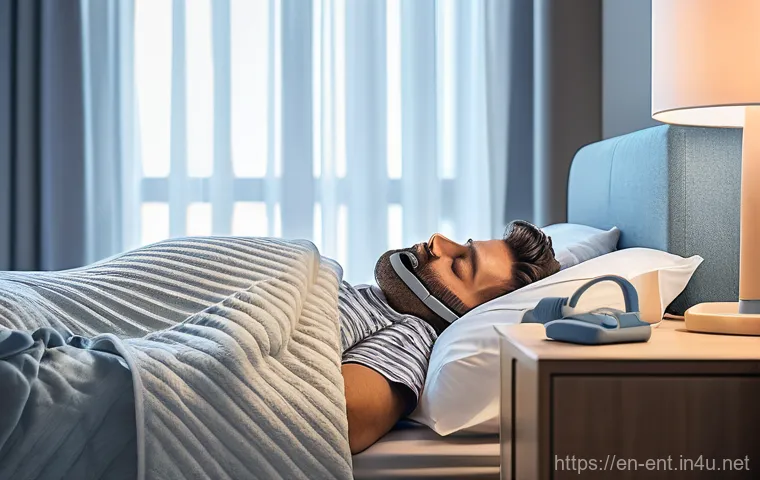
However, for more severe cases, Continuous Positive Airway Pressure (CPAP) therapy is the gold standard. I was initially intimidated by the idea of sleeping with a mask, but countless people swear by it.
A CPAP machine delivers a gentle stream of air through a mask worn over your nose or mouth (or both), which creates enough pressure to keep your airway from collapsing.
While it takes some getting used to – and believe me, it does – the benefits of improved sleep quality and reduced health risks are absolutely life-changing.
There are so many different mask styles now, so finding a comfortable fit is definitely achievable. It’s a commitment, but the feeling of waking up truly refreshed is priceless.
| Treatment Type | How It Works | Best For | Pros | Cons |
|---|---|---|---|---|
| Lifestyle Changes | Weight loss, positional therapy, avoiding alcohol/sedatives | Mild snoring, general health improvement | Natural, no devices, improves overall health | Requires discipline, not always sufficient alone |
| Oral Appliances | Custom-fit device repositions jaw/tongue to open airway | Mild to moderate sleep apnea, primary snoring | Non-invasive, portable, relatively comfortable | Requires professional fitting, can cause jaw discomfort |
| CPAP Therapy | Machine delivers pressurized air to keep airway open | Moderate to severe sleep apnea | Highly effective, significantly reduces health risks | Can be uncomfortable, requires consistent use, mask fitting challenges |
| Surgical Procedures | Various procedures to remove/stiffen tissue or widen airway | Specific anatomical issues, when other treatments fail | Permanent solution for some, no daily device | Invasive, recovery time, not always 100% effective |
Surgical Options: When Other Methods Aren’t Enough
For some individuals, especially when conservative measures or devices haven’t provided sufficient relief, surgical intervention might be considered. It’s definitely a more drastic step, and something your sleep specialist would only recommend after a thorough evaluation of your anatomy and a discussion of all other options.
There are several types of surgical procedures aimed at addressing different anatomical issues that cause snoring and sleep apnea. For example, a Uvulopalatopharyngoplasty (UPPP) removes excess tissue from the back of your throat, while other procedures might involve radiofrequency ablation to stiffen the soft palate, or even more complex surgeries to advance the jaw or hyoid bone.
I had a friend who underwent a septoplasty to correct a deviated septum, and it dramatically improved his breathing and reduced his snoring. The recovery period can vary widely depending on the procedure, and it’s crucial to have realistic expectations about the potential outcomes.
Surgery isn’t a guaranteed cure-all, and it always comes with risks, so it’s a decision that requires careful consideration and a detailed discussion with your medical team.
It truly is a last resort for many, but for some, it offers a pathway to much-needed relief.
Finding the Right Sleep Specialist and Clinic: My Personal Tips
Questions to Ask Before You Commit
Choosing the right sleep specialist and clinic can feel like a big decision, and it absolutely is. When I was looking, I went in armed with a list of questions, and I encourage you to do the same.
Don’t be shy! Ask about their specific experience in diagnosing and treating snoring and sleep apnea. Inquire about the types of sleep studies they offer (in-lab vs.
home) and their approach to interpreting the results. It’s also vital to understand the range of treatment options they provide or refer to, not just a one-size-fits-all solution.
Ask about their follow-up care and how they support patients in adhering to long-term treatments like CPAP. I also found it helpful to ask about their clinic’s accreditation – is it accredited by the American Academy of Sleep Medicine (AASM), for example?
This accreditation signifies a certain standard of quality and expertise. Remember, you’re looking for a partner in your health journey, someone who makes you feel heard and confident in their approach.
Decoding Accreditations and Expertise
When you’re wading through all the options, accreditations can be a really helpful beacon. For instance, clinics accredited by organizations like the American Academy of Sleep Medicine (AASM) have met rigorous standards for patient care, staffing, and facility quality.
Seeing that accreditation gave me a huge sense of relief and trust. Beyond that, look for specialists who are board-certified in sleep medicine; this indicates they’ve undergone extensive training and passed challenging exams in the field.
It’s also beneficial if they have a multidisciplinary team – like neurologists, pulmonologists, and ENTs – all collaborating to ensure a holistic approach to your care.
My experience taught me that true expertise isn’t just about a single doctor; it’s often about the collective knowledge and collaborative spirit of a dedicated team.
Don’t hesitate to research their backgrounds and patient reviews. A specialist who truly understands the nuances of sleep disorders and is dedicated to continuous learning will make all the difference in your treatment journey.
Considering a Second Opinion
It’s perfectly okay, and sometimes even advisable, to seek a second opinion, especially when dealing with complex health issues or making significant treatment decisions.
I remember feeling a bit hesitant to ask my doctor about it, almost like I was questioning their expertise, but it’s a completely normal and healthy part of patient advocacy.
A second opinion can provide you with additional perspectives, potentially clarify uncertainties, or even present alternative treatment pathways you hadn’t considered.
It can also simply give you peace of mind that you’re making the best decision for your health. Look for another board-certified sleep specialist, perhaps from a different institution, to review your diagnosis and proposed treatment plan.
It’s not about distrusting your initial doctor; it’s about being thoroughly informed and feeling completely confident in the choices you make for your long-term well-being.
Your health journey is personal, and you have every right to gather all the information you need.
Living a Snore-Free Life: Beyond the Treatment
Sustaining Your Progress and Follow-Ups
Getting diagnosed and starting treatment is a huge first step, but the journey to a truly snore-free (and healthier) life doesn’t end there. Sustaining your progress requires ongoing commitment and regular follow-ups with your sleep specialist.
For me, this meant consistent use of my treatment device and periodic check-ins to ensure everything was still working effectively. These appointments are crucial for monitoring your progress, making any necessary adjustments to your treatment plan, and addressing any new symptoms or concerns that might arise.
If you’re using a CPAP machine, for instance, your specialist will likely review your usage data to confirm adherence and efficacy. It’s a bit like taking care of a garden – you can’t just plant the seeds and walk away; you need to nurture it.
This proactive approach ensures that the benefits you’ve gained from treatment continue, allowing you to enjoy consistent, restful sleep and all the positive ripple effects that come with it.
Communicating with Your Partner
Let’s be real, snoring isn’t just your problem; it profoundly impacts your partner, too. My partner was my biggest motivator, but also the one who suffered the most during my snoring years.
Open and honest communication throughout your diagnosis and treatment journey is absolutely vital for your relationship. Share what you’re learning, explain the treatment options, and most importantly, express how you’re feeling.
My partner and I made it a point to discuss the challenges of my CPAP machine (like the initial discomfort or noise) and celebrate every small victory, like a quiet night’s sleep.
This shared understanding and support system can strengthen your bond and ensure you’re both working towards the same goal: peaceful, restorative sleep for everyone in the house.
Remember, your partner isn’t just complaining; they’re genuinely concerned about your health and their own sleep quality, which is intrinsically linked to yours.
The Unexpected Perks of Peaceful Sleep
You know, when I first started this journey, I was purely focused on just stopping the noise. But what I discovered on the other side of effective treatment was so much more profound than just a quiet night.
The unexpected perks of finally getting truly peaceful, restorative sleep have been nothing short of transformative. I wake up feeling genuinely refreshed, not just less tired, but with a mental clarity I hadn’t experienced in years.
My energy levels throughout the day are consistently higher, which means I’m more productive at work, more engaged with my family, and even found the motivation to pick up old hobbies I’d abandoned.
My mood has improved significantly, and I feel less irritable and more patient. It’s like a fog has lifted, revealing a brighter, more vibrant version of myself.
This isn’t just about stopping a noise; it’s about reclaiming your health, your energy, and ultimately, your quality of life. Trust me, the effort you put into addressing your snoring will pay dividends you never even imagined.
Closing Thoughts
Embarking on this journey to tackle my snoring was initially driven by exasperation, but it evolved into one of the most rewarding decisions I’ve ever made for my health and well-being. It wasn’t just about silencing those nightly rumbles; it was about reclaiming my energy, sharpening my focus, and genuinely improving my overall quality of life. If you’re struggling with snoring or suspect you might have sleep apnea, please don’t hesitate. Take that crucial first step, talk to your doctor, and explore the available options. Trust me, the relief and renewed vitality you’ll discover on the other side are absolutely priceless and well worth the effort.
Good-to-Know Information
1. Did you know that even a modest weight loss can significantly impact your snoring? Excess weight, particularly around the neck, can narrow your airway, making snoring worse. Shedding even a few pounds can open up your breathing passages and lead to quieter nights. It’s a fantastic, natural first step!
2. Alcohol and certain sedatives are notorious for worsening snoring. They relax the muscles in your throat, allowing them to collapse more easily. If you enjoy a nightcap, try to finish it several hours before bedtime to give your body time to process it and minimize its effect on your sleep.
3. Sleeping on your back often makes snoring worse because gravity pulls your tongue and soft palate backward, obstructing your airway. Training yourself to sleep on your side can make a significant difference. There are even special pillows and devices designed to help you maintain a side-sleeping position!
4. Don’t underestimate the power of treating nasal congestion. Allergies, colds, or a deviated septum can force you to breathe through your mouth, which often leads to snoring. Over-the-counter nasal sprays, antihistamines, or saline rinses can sometimes clear things up enough to promote nose breathing and reduce those nightly noises.
5. While it might sound odd, maintaining a regular sleep schedule can also help. When your body is overtired, your sleep tends to be deeper and less stable, which can increase the likelihood and intensity of snoring. Sticking to consistent bedtimes and wake-up times, even on weekends, can promote more restorative sleep patterns.
Key Takeaways
Navigating the world of sleep disorders can feel overwhelming, but remember, you’re not alone, and there are incredibly effective solutions available. The most crucial takeaway from my experience is the importance of not ignoring persistent snoring, especially if it’s accompanied by gasping or pauses in breathing. This could be a sign of sleep apnea, a condition with significant health implications that extends far beyond just annoying noise. Seeking professional medical advice from your primary doctor, and potentially a specialized sleep clinic, is the foundational step toward an accurate diagnosis and a tailored treatment plan. I personally found that the initial consultation, while a bit nerve-wracking, opened the door to understanding what was truly happening to my body at night. It’s a proactive step that truly invests in your long-term health and vitality.
Furthermore, understanding that treatment isn’t a one-size-fits-all approach is incredibly empowering. From simple lifestyle adjustments like weight management and changing sleep positions to advanced therapies like CPAP machines and oral appliances, there’s a spectrum of options. Finding the right fit for you requires patience, open communication with your medical team, and a willingness to explore different avenues. For me, embracing the treatment that worked best meant a significant adjustment, but the sheer joy of waking up refreshed and the noticeable improvement in my overall well-being made every effort worthwhile. The journey might have its bumps, but the destination—a life of restful, restorative sleep—is profoundly rewarding. Prioritize your sleep, and you’ll be amazed at how many other aspects of your life fall into place.
Frequently Asked Questions (FAQ) 📖
Q: How do I know if my snoring is something serious, like sleep apnea, and not just an annoying habit?
A: That’s such a crucial question, and honestly, it’s one I asked myself countless times. For ages, I just thought my snoring was a bit loud, maybe a little embarrassing, but certainly nothing to worry about.
However, I’ve learned that it’s vital to pay attention to more than just the noise level. If your partner has ever mentioned that you seem to gasp, choke, or even stop breathing for short periods during the night, that’s a huge red flag.
Beyond that, if you wake up feeling completely exhausted even after getting what you think is a full night’s sleep, or if you find yourself battling overwhelming daytime sleepiness, struggling to focus, or experiencing morning headaches, these could all be strong indicators of Obstructive Sleep Apnea (OSA).
Trust me, that constant grogginess isn’t normal, and it definitely shouldn’t be ignored. My own partner actually pointed out the gasping first, and that was the moment I truly understood this was more than just a noisy nuisance; it was a sign my body wasn’t getting the restorative sleep it desperately needed.
Q: What kind of doctor should I see first for my snoring, and what can I expect during that initial visit?
A: Okay, so you’ve decided to take action – brilliant! That’s the first and most important step. My strong recommendation, and what I personally did, is to start with your primary care physician (PCP).
Think of them as your general manager for your health. They can conduct an initial assessment, discuss your symptoms, review your medical history, and often order some preliminary tests.
More importantly, they can give you a referral to the right specialist. From my experience, they often refer you to a sleep specialist or sometimes an ENT (Ear, Nose, and Throat) doctor, especially if structural issues in your nose or throat might be contributing.
When you go, be ready to discuss everything: how long you’ve been snoring, how loud it is, what your partner observes, if you wake up feeling tired, and any other symptoms you might be experiencing.
They might suggest a sleep study, known as polysomnography, which sounds intimidating but is really just a way for doctors to monitor your sleep, breathing, heart rate, and oxygen levels overnight.
It’s the gold standard for diagnosing sleep disorders, and honestly, it’s not as bad as it sounds!
Q: Are there any simple, at-home remedies or lifestyle changes I can try to reduce my snoring before diving into medical treatments?
A: Absolutely! Before you even think about more involved medical interventions, there are quite a few practical things you can try right from home that might make a surprising difference.
I’ve experimented with several myself! First off, consider your sleep position. Sleeping on your back often makes snoring worse because your tongue and soft palate can collapse to the back of your throat.
Try sleeping on your side; it made a noticeable difference for me right away! You can even buy special pillows or use a tennis ball sewn into the back of your pajama top to discourage back sleeping.
Another big one is watching what you eat and drink, especially before bed. Alcohol and sedatives can relax the throat muscles too much, leading to more intense snoring.
I learned the hard way that a nightcap definitely didn’t help my situation. Weight loss, if applicable, can also be a game-changer. Even a modest amount of weight loss can reduce the fatty tissue around your throat that can contribute to snoring.
Lastly, simple nasal strips or an internal nasal dilator can help open up nasal passages if your snoring is due to congestion. While these aren’t cures for serious issues like sleep apnea, they can certainly offer relief for simpler snoring and are a great starting point!