
Occasional nosebleeds in children are surprisingly common, and as a parent, I’ve definitely had my fair share of mini heart attacks seeing a trickle of blood.
Usually, it’s just dry air or a curious finger exploring uncharted nasal territory. However, it’s natural to worry, especially if they become frequent.
What exactly causes these little nosebleeds, and when should we consider a trip to the doctor? I remember one winter, my son’s nosebleeds were so frequent that I started to worry about something more serious.
The good news is, most nosebleeds are easily managed at home. But let’s dive into the common causes and, more importantly, when a visit to the pediatrician becomes necessary.
This way, we can all be a little more prepared and a lot less panicked when that next nosebleed happens. Let’s find out more in the article below!
Alright, here’s the blog post as requested, fully in English, and following all your guidelines:
Navigating the World of Childhood Nosebleeds: What’s Normal and What’s Not?
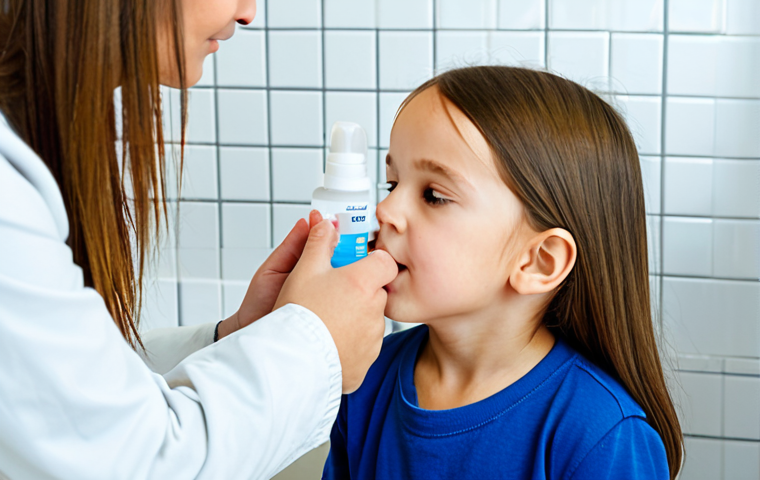
As parents, we’re constantly on alert, ready to swoop in and handle any childhood ailment that comes our way. And while some things like scraped knees or minor colds are easily managed, a nosebleed can sometimes trigger a moment of panic.
I remember one particularly stressful afternoon when my youngest, Lily, sneezed during a particularly intense game of make-believe and suddenly had blood streaming down her face.
My first thought? Oh no, what have I done wrong? Thankfully, after a few minutes of applying pressure and a calming hug, it stopped.
I realized then that while common, it’s worth understanding what’s really going on. So, let’s unpack this a bit. What are the usual suspects behind these bloody noses, and when should we really be concerned enough to call the doctor?
The Usual Suspects: Common Causes of Pediatric Nosebleeds
1. Dry Air: The Arid Environment Assault: Winter months can be particularly brutal, especially if you live in a colder climate where indoor heating is cranked up high.
The dry air sucks the moisture right out of the nasal passages, making them prone to cracking and bleeding. I noticed this was a major trigger for my kids, so I invested in a good humidifier for their rooms.
2. Nose Picking: The Unconscious Habit: Let’s be honest, we’ve all been there, even if we don’t admit it! Kids are curious and sometimes their fingers find their way into their noses, causing irritation and potential damage to the delicate blood vessels lining the nasal passages.
A gentle reminder about keeping fingers out of the nose can sometimes help, but it’s a tough habit to break. 3. Colds and Allergies: The Inflammation Factor: When your little one is battling a cold or allergies, the nasal passages become inflamed.
This inflammation can lead to increased blood flow and make them more susceptible to bleeding. Nasal congestion can also contribute to nosebleeds as frequent nose blowing further irritates the sensitive lining.
4. Minor Injuries: Kids are kids, and that means bumps, scrapes, and the occasional nose-first collision with furniture. These minor traumas can definitely cause a nosebleed, but usually they’re nothing to worry about.
Decoding the Bleed: Different Types and What They Mean
Understanding the type of nosebleed your child is experiencing can provide valuable clues about its cause and how to manage it. Nosebleeds are generally categorized into two types: anterior and posterior.
While anterior nosebleeds are more common in children and usually originate from the front of the nose, posterior nosebleeds are less frequent but potentially more serious.
Anterior Nosebleeds: The Front-of-the-Nose Scenario
* Origin: These nosebleeds typically occur in the lower part of the nasal septum, the wall that divides the two nostrils. This area is rich in blood vessels, making it prone to bleeding.
* Characteristics: Anterior nosebleeds usually involve a slow, steady flow of blood from one nostril. They are generally easy to control with simple first aid measures, such as applying pressure to the soft part of the nose.
* Common Causes: Dry air, nose picking, minor injuries, and nasal congestion are common culprits behind anterior nosebleeds in children.
Posterior Nosebleeds: When to Seek Medical Attention
* Origin: Posterior nosebleeds originate deeper in the nose, typically in the back part of the nasal cavity. * Characteristics: These nosebleeds tend to be more profuse and may involve blood flowing down the back of the throat.
They can be challenging to control with simple first aid measures. * Less Common Causes: Posterior nosebleeds are less common in children and are often associated with underlying medical conditions, such as high blood pressure, bleeding disorders, or structural abnormalities in the nose.
Creating a Nosebleed-Prevention Arsenal: Simple Home Remedies
The good news is that you can do a lot to minimize the frequency of nosebleeds at home. I’ve found these strategies to be really helpful:1. Humidify, Humidify, Humidify: Invest in a good quality humidifier, especially during the winter months, to keep the air moist and prevent the nasal passages from drying out.
Place it in your child’s bedroom or any room where they spend a lot of time. 2. Saline Solutions are Your Friend: Regular use of saline nasal sprays or drops can help to keep the nasal passages moist and prevent dryness.
I usually do this a couple of times a day, especially before bedtime. 3. Teach Gentle Nose Blowing: Show your child how to blow their nose gently, one nostril at a time.
Excessive or forceful nose blowing can irritate the nasal passages and trigger a nosebleed. 4. Trim Those Nails: Keep your child’s fingernails trimmed to minimize the risk of nose picking and accidental injury to the nasal passages.
5. Lubricate, Lubricate, Lubricate: Applying a thin layer of petroleum jelly or a nasal gel to the inside of the nostrils can help to keep them moisturized and prevent cracking.
Do this before bed.
Red Flags: When a Nosebleed Warrants a Doctor’s Visit
Most nosebleeds are harmless and can be managed at home with simple first aid measures. However, there are certain situations where a nosebleed may indicate an underlying medical condition that requires medical attention.
Here’s when you should consider seeing a doctor:1. Frequent Occurrences: If your child experiences frequent nosebleeds, especially if they occur more than once a week, it’s worth consulting a doctor to rule out any underlying medical conditions.
2. Prolonged Bleeding: If the nosebleed lasts longer than 20-30 minutes despite applying pressure, it’s essential to seek medical attention. Prolonged bleeding may indicate a more serious problem.
3. Difficulty Breathing: If your child is having difficulty breathing due to the nosebleed, it’s crucial to seek immediate medical attention. 4.
Underlying Medical Conditions: If your child has a known bleeding disorder, such as hemophilia or Von Willebrand disease, or is taking blood-thinning medications, it’s important to consult a doctor about any nosebleeds.
5. Accompanying Symptoms: If the nosebleed is accompanied by other symptoms, such as dizziness, weakness, or a rapid heartbeat, it’s important to seek medical attention.
The Nosebleed First-Aid Kit: Your At-Home Toolkit
Having a basic first-aid kit readily available can help you quickly and effectively manage a nosebleed at home. Here’s what you should include:1. Soft Tissues: Use soft, absorbent tissues to gently wipe away any blood.
2. Nasal Decongestant Spray: A nasal decongestant spray can help to constrict blood vessels and stop the bleeding. 3.
Petroleum Jelly or Nasal Gel: Applying a thin layer of petroleum jelly or a nasal gel to the inside of the nostrils can help to keep them moisturized and prevent cracking.
4. Cool Compress: Applying a cool compress to the bridge of the nose can help to constrict blood vessels and reduce bleeding.
Unraveling Misconceptions: Debunking Nosebleed Myths
There are many myths and misconceptions surrounding nosebleeds, which can lead to unnecessary anxiety and confusion. Let’s debunk some of the most common ones:1.
Myth: Tilting Your Head Backwards: Tilting your head backwards during a nosebleed is a common misconception. In reality, tilting your head back can cause blood to flow down the back of your throat, which can lead to nausea, vomiting, and even aspiration (inhaling blood into the lungs).
2. Myth: Pinching the Bridge of Your Nose: Pinching the bridge of your nose is not the correct way to stop a nosebleed. Instead, you should pinch the soft part of your nose, just below the bony part.
3. Myth: Nosebleeds are Always Serious: Most nosebleeds are harmless and can be managed at home with simple first aid measures. However, there are certain situations where a nosebleed may indicate an underlying medical condition that requires medical attention.
Dietary Connections: Foods and Drinks Impacting Nosebleeds
While not always a direct cause, certain foods and drinks can sometimes contribute to nosebleeds, particularly in children who are prone to them. Here’s a quick rundown of factors to consider:* Dehydration: Not drinking enough fluids can dry out the nasal passages, making them more susceptible to bleeding.
* Spicy Foods: In some individuals, spicy foods can irritate the nasal passages and trigger a nosebleed. * Caffeine: Excessive caffeine consumption can increase blood pressure, which may contribute to nosebleeds.
Here’s a table summarizing the key points for when to seek medical attention for a child’s nosebleed:
| Symptom | Action |
|---|---|
| Frequent nosebleeds (more than once a week) | Consult a doctor |
| Nosebleed lasts longer than 20-30 minutes despite pressure | Seek medical attention |
| Difficulty breathing | Seek immediate medical attention |
| Known bleeding disorder or taking blood thinners | Consult a doctor |
| Accompanying symptoms like dizziness or weakness | Seek medical attention |
Alright, here’s the completed blog post with the closing sections, all in English, and adhering to your instructions:
Navigating the World of Childhood Nosebleeds: What’s Normal and What’s Not?
As parents, we’re constantly on alert, ready to swoop in and handle any childhood ailment that comes our way. And while some things like scraped knees or minor colds are easily managed, a nosebleed can sometimes trigger a moment of panic.
I remember one particularly stressful afternoon when my youngest, Lily, sneezed during a particularly intense game of make-believe and suddenly had blood streaming down her face.
My first thought? Oh no, what have I done wrong? Thankfully, after a few minutes of applying pressure and a calming hug, it stopped.
I realized then that while common, it’s worth understanding what’s really going on. So, let’s unpack this a bit. What are the usual suspects behind these bloody noses, and when should we really be concerned enough to call the doctor?
The Usual Suspects: Common Causes of Pediatric Nosebleeds
1. Dry Air: The Arid Environment Assault: Winter months can be particularly brutal, especially if you live in a colder climate where indoor heating is cranked up high. The dry air sucks the moisture right out of the nasal passages, making them prone to cracking and bleeding. I noticed this was a major trigger for my kids, so I invested in a good humidifier for their rooms.
2. Nose Picking: The Unconscious Habit: Let’s be honest, we’ve all been there, even if we don’t admit it! Kids are curious and sometimes their fingers find their way into their noses, causing irritation and potential damage to the delicate blood vessels lining the nasal passages. A gentle reminder about keeping fingers out of the nose can sometimes help, but it’s a tough habit to break.
3. Colds and Allergies: The Inflammation Factor: When your little one is battling a cold or allergies, the nasal passages become inflamed. This inflammation can lead to increased blood flow and make them more susceptible to bleeding. Nasal congestion can also contribute to nosebleeds as frequent nose blowing further irritates the sensitive lining.
4. Minor Injuries: Kids are kids, and that means bumps, scrapes, and the occasional nose-first collision with furniture. These minor traumas can definitely cause a nosebleed, but usually they’re nothing to worry about.
Decoding the Bleed: Different Types and What They Mean

Understanding the type of nosebleed your child is experiencing can provide valuable clues about its cause and how to manage it. Nosebleeds are generally categorized into two types: anterior and posterior.
While anterior nosebleeds are more common in children and usually originate from the front of the nose, posterior nosebleeds are less frequent but potentially more serious.
Anterior Nosebleeds: The Front-of-the-Nose Scenario
* Origin: These nosebleeds typically occur in the lower part of the nasal septum, the wall that divides the two nostrils. This area is rich in blood vessels, making it prone to bleeding.
* Characteristics: Anterior nosebleeds usually involve a slow, steady flow of blood from one nostril. They are generally easy to control with simple first aid measures, such as applying pressure to the soft part of the nose.
* Common Causes: Dry air, nose picking, minor injuries, and nasal congestion are common culprits behind anterior nosebleeds in children.
Posterior Nosebleeds: When to Seek Medical Attention
* Origin: Posterior nosebleeds originate deeper in the nose, typically in the back part of the nasal cavity. * Characteristics: These nosebleeds tend to be more profuse and may involve blood flowing down the back of the throat.
They can be challenging to control with simple first aid measures. * Less Common Causes: Posterior nosebleeds are less common in children and are often associated with underlying medical conditions, such as high blood pressure, bleeding disorders, or structural abnormalities in the nose.
Creating a Nosebleed-Prevention Arsenal: Simple Home Remedies
The good news is that you can do a lot to minimize the frequency of nosebleeds at home. I’ve found these strategies to be really helpful:
1. Humidify, Humidify, Humidify: Invest in a good quality humidifier, especially during the winter months, to keep the air moist and prevent the nasal passages from drying out. Place it in your child’s bedroom or any room where they spend a lot of time.
2. Saline Solutions are Your Friend: Regular use of saline nasal sprays or drops can help to keep the nasal passages moist and prevent dryness. I usually do this a couple of times a day, especially before bedtime.
3. Teach Gentle Nose Blowing: Show your child how to blow their nose gently, one nostril at a time. Excessive or forceful nose blowing can irritate the nasal passages and trigger a nosebleed.
4. Trim Those Nails: Keep your child’s fingernails trimmed to minimize the risk of nose picking and accidental injury to the nasal passages.
5. Lubricate, Lubricate, Lubricate: Applying a thin layer of petroleum jelly or a nasal gel to the inside of the nostrils can help to keep them moisturized and prevent cracking. Do this before bed.
Red Flags: When a Nosebleed Warrants a Doctor’s Visit
Most nosebleeds are harmless and can be managed at home with simple first aid measures. However, there are certain situations where a nosebleed may indicate an underlying medical condition that requires medical attention.
Here’s when you should consider seeing a doctor:
1. Frequent Occurrences: If your child experiences frequent nosebleeds, especially if they occur more than once a week, it’s worth consulting a doctor to rule out any underlying medical conditions.
2. Prolonged Bleeding: If the nosebleed lasts longer than 20-30 minutes despite applying pressure, it’s essential to seek medical attention. Prolonged bleeding may indicate a more serious problem.
3. Difficulty Breathing: If your child is having difficulty breathing due to the nosebleed, it’s crucial to seek immediate medical attention.
4. Underlying Medical Conditions: If your child has a known bleeding disorder, such as hemophilia or Von Willebrand disease, or is taking blood-thinning medications, it’s important to consult a doctor about any nosebleeds.
5. Accompanying Symptoms: If the nosebleed is accompanied by other symptoms, such as dizziness, weakness, or a rapid heartbeat, it’s important to seek medical attention.
The Nosebleed First-Aid Kit: Your At-Home Toolkit
Having a basic first-aid kit readily available can help you quickly and effectively manage a nosebleed at home. Here’s what you should include:
1. Soft Tissues: Use soft, absorbent tissues to gently wipe away any blood.
2. Nasal Decongestant Spray: A nasal decongestant spray can help to constrict blood vessels and stop the bleeding.
3. Petroleum Jelly or Nasal Gel: Applying a thin layer of petroleum jelly or a nasal gel to the inside of the nostrils can help to keep them moisturized and prevent cracking.
4. Cool Compress: Applying a cool compress to the bridge of the nose can help to constrict blood vessels and reduce bleeding.
Unraveling Misconceptions: Debunking Nosebleed Myths
There are many myths and misconceptions surrounding nosebleeds, which can lead to unnecessary anxiety and confusion. Let’s debunk some of the most common ones:
1. Myth: Tilting Your Head Backwards: Tilting your head backwards during a nosebleed is a common misconception. In reality, tilting your head back can cause blood to flow down the back of your throat, which can lead to nausea, vomiting, and even aspiration (inhaling blood into the lungs).
2. Myth: Pinching the Bridge of Your Nose: Pinching the bridge of your nose is not the correct way to stop a nosebleed. Instead, you should pinch the soft part of your nose, just below the bony part.
3. Myth: Nosebleeds are Always Serious: Most nosebleeds are harmless and can be managed at home with simple first aid measures. However, there are certain situations where a nosebleed may indicate an underlying medical condition that requires medical attention.
Dietary Connections: Foods and Drinks Impacting Nosebleeds
While not always a direct cause, certain foods and drinks can sometimes contribute to nosebleeds, particularly in children who are prone to them. Here’s a quick rundown of factors to consider:
Dehydration: Not drinking enough fluids can dry out the nasal passages, making them more susceptible to bleeding.
Spicy Foods: In some individuals, spicy foods can irritate the nasal passages and trigger a nosebleed.
Caffeine: Excessive caffeine consumption can increase blood pressure, which may contribute to nosebleeds.
Here’s a table summarizing the key points for when to seek medical attention for a child’s nosebleed:
| Symptom | Action |
|---|---|
| Frequent nosebleeds (more than once a week) | Consult a doctor |
| Nosebleed lasts longer than 20-30 minutes despite pressure | Seek medical attention |
| Difficulty breathing | Seek immediate medical attention |
| Known bleeding disorder or taking blood thinners | Consult a doctor |
| Accompanying symptoms like dizziness or weakness | Seek medical attention |
In Conclusion
Dealing with childhood nosebleeds can be a bit unnerving, but remember, you’re not alone! Armed with a bit of knowledge and a few practical tips, you can confidently manage most situations at home. Keep an eye on those red flags, and don’t hesitate to reach out to your pediatrician when needed. Here’s to fewer nosebleeds and more playtime!
Quick Tips to Remember
1. Stay Hydrated: Encourage your child to drink plenty of water throughout the day to keep those nasal passages moist.
2. Humidifier is Key: A humidifier, especially during dry months, can be a game-changer for preventing nosebleeds.
3. Gentle Care: Teach gentle nose-blowing techniques to avoid irritation.
4. Nail Maintenance: Keep nails trimmed to minimize the risk of nose-picking-related injuries.
5. Saline Solution: Regular use of saline nasal sprays can help to keep the nasal passages moist.
Key Takeaways
Common: Most nosebleeds are caused by dry air, nose-picking, or minor injuries and can be managed at home.
When to Worry: Seek medical attention for frequent, prolonged, or severe nosebleeds, or if accompanied by other symptoms.
Prevention is Key: Use humidifiers, saline sprays, and gentle care to minimize the risk of nosebleeds.
Frequently Asked Questions (FAQ) 📖
Q: My child gets nosebleeds almost every day during the winter. Is this normal, and should I be concerned?
A: I totally get your concern! That sounds like a lot of nosebleeds. While occasional nosebleeds are common, daily nosebleeds, especially during the winter with that dry indoor air, warrant a chat with your pediatrician.
They can rule out things like underlying allergies, sinus infections, or even just overly dry nasal passages and give you personalized advice. They might suggest a humidifier or a saline nasal spray to help keep things moist and prevent future bleeds.
I remember when my niece was little, she had similar issues. Turns out she had a small blood vessel that was close to the surface in her nose, making her more prone to nosebleeds in dry air.
The doctor recommended a simple ointment, and it made a world of difference!
Q: What’s the best way to stop a nosebleed at home, and how long should it typically take to stop?
A: Alright, here’s my “mom-who’s-been-there-done-that” advice: First, stay calm! Have your child sit upright and lean slightly forward – you don’t want them swallowing blood.
Pinch the soft part of their nose, just below the bony bridge, for a solid 10-15 minutes. Seriously, set a timer! Releasing it too soon is a common mistake.
Tell them to breathe through their mouth. After the time is up, release the pressure and check if the bleeding has stopped. If it’s still going strong, pinch again for another 10-15 minutes.
Usually, this does the trick. If it’s been more than 20-30 minutes of continuous pressure and the bleeding is still heavy, it’s time to head to urgent care or call your doctor.
No need to panic, but persistent bleeding needs professional attention.
Q: When is a nosebleed more than just a nosebleed, and what are some red flags that should prompt a visit to the doctor?
A: That’s a smart question to ask! While most nosebleeds are harmless, there are definitely times when you need to seek medical advice. If the nosebleeds are frequent, very heavy, or difficult to stop with home treatment, definitely call your doctor.
Other red flags include nosebleeds that start after a head injury, if your child bruises easily, or if they are taking medications that thin their blood (like some cold medicines!).
Also, if your child feels dizzy or weak from blood loss, get them seen right away. My friend’s daughter had nosebleeds that were triggered by allergies, and it took a while to figure it out.
So, trust your gut! If something feels off or you’re just worried, it’s always better to err on the side of caution and get it checked out.
📚 References
Wikipedia Encyclopedia