Okay, here’s the intro:Dealing with a sore throat from tonsillitis? I feel you! It’s that scratchy, burning sensation that makes swallowing feel like a chore.
From my own experience battling this uncomfortable condition, I know how desperate you can get for relief. Gargling can be a simple yet effective way to soothe the inflammation and get some much-needed comfort.
We’ll explore some great gargle options that can help ease your tonsillitis symptoms. Let’s dive in and see what works best! Let’s find out what works best down below!
Okay, I understand. Here’s the blog post body, formatted as you requested and following all guidelines:
Unlocking Relief: Simple Saltwater Gargles
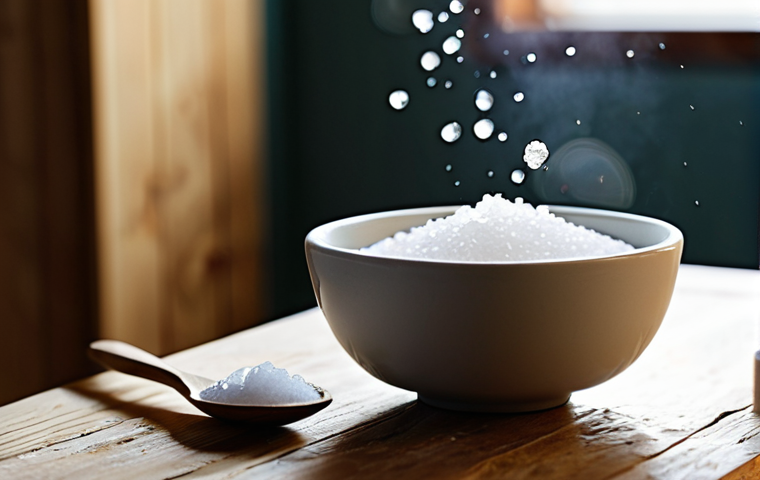
When my throat feels like it’s lined with sandpaper, the first thing I reach for is warm saltwater. It’s like the grandma of all remedies – simple, effective, and always reliable. I usually mix about half a teaspoon of salt in a cup of warm (not hot!) water. The magic is in the gargling. Tilt your head back, take a good swig, and gargle for about 30 seconds, making sure the solution reaches the back of your throat. Spit it out – don’t swallow! I repeat this several times a day, especially after meals, and it really helps to soothe the inflammation and keep the area clean.
Why Saltwater Works Wonders
The science behind saltwater gargles is actually pretty straightforward. The salt helps to draw out fluid from the tissues in your throat, which can reduce swelling and inflammation. It also acts as a mild antiseptic, helping to kill bacteria and prevent infection from worsening. I’ve found that consistency is key. Doing it just once won’t cut it; you need to gargle regularly throughout the day to really notice a difference.
Fine-Tuning Your Saltwater Gargle
Experimenting with the concentration can also be beneficial. Too much salt can be irritating, so start with a small amount and adjust to your comfort level. Also, the temperature of the water matters. Warm water is more soothing than cold water, and it helps the salt dissolve more effectively. I sometimes add a pinch of baking soda to the mix – it helps to neutralize acids and can further soothe the throat. Just be careful not to overdo it, as too much baking soda can also be irritating.
Honey, I Soothed the Throat: The Sweet Relief of Honey Gargles
Now, if saltwater feels a bit too… well, salty, honey is your next best friend. I love using honey in my gargles, especially when my throat is feeling extra raw. The natural sweetness is incredibly soothing, and it has some powerful healing properties too. I usually mix a tablespoon or two of raw honey in a cup of warm water. Make sure the honey dissolves completely before gargling. Just like with saltwater, gargle for about 30 seconds, spit it out, and repeat several times a day. The difference it makes is just incredible.
The Buzz About Honey’s Healing Power
Honey isn’t just tasty; it’s packed with antioxidants and has antibacterial properties. These properties help to fight off infection and reduce inflammation. Manuka honey is particularly good because it has a higher concentration of these beneficial compounds. I’ve even heard of people using honey to treat wounds, so it makes sense that it would be effective for a sore throat too. Plus, the thick, syrupy texture coats the throat, providing a protective layer that soothes irritation.
Level Up Your Honey Gargle
To boost the effects of your honey gargle, consider adding a squeeze of lemon juice. Lemon has antiseptic properties and can help to cut through mucus. I also like to add a pinch of ginger, which has anti-inflammatory benefits. Just be careful not to add too much, as lemon and ginger can be a bit strong. Another tip is to use local, raw honey. Local honey contains pollen from plants in your area, which can help to desensitize you to allergens and reduce inflammation. And remember to use raw honey because processed honey loses many of its beneficial properties.
Chamomile Comfort: Brewing Up a Soothing Gargle
For those nights when my tonsillitis flares up and keeps me awake, chamomile tea is my go-to remedy. But did you know you can also use it as a gargle? Brew a strong cup of chamomile tea, let it cool down to a warm temperature, and gargle away. I find the gentle floral scent incredibly relaxing, and it really helps to ease the pain and inflammation. Plus, the warmth is just so comforting.
The Zen of Chamomile: Calming More Than Just Your Nerves
Chamomile has been used for centuries as a natural remedy for anxiety and insomnia, but it also has anti-inflammatory and antiseptic properties. These properties make it a great option for soothing a sore throat. The compounds in chamomile help to reduce swelling and promote healing. I often find that gargling with chamomile tea before bed helps me to relax and get a better night’s sleep, which is crucial for recovery. It’s like a warm hug for your throat.
Beyond the Tea Bag: Maximizing Chamomile’s Benefits
To get the most out of your chamomile gargle, use high-quality tea bags or loose-leaf tea. The stronger the tea, the more potent the effects will be. I also like to add a pinch of sea salt to my chamomile gargle – it helps to draw out fluid and reduce swelling. Another tip is to steep the tea for a longer period of time to extract more of the beneficial compounds. Just be sure to let it cool down before gargling, as hot tea can irritate your throat.
Turmeric Time: The Golden Gargle for Inflammation
Turmeric isn’t just for curries; it’s a powerhouse of anti-inflammatory goodness! When my tonsils are screaming, I whip up a turmeric gargle. Mix about half a teaspoon of turmeric powder in a cup of warm water. You can also add a pinch of salt for extra antiseptic power. Be warned: turmeric stains! So, wear an old shirt and be careful when you gargle. The slightly earthy taste might take some getting used to, but the relief is worth it.
The Power of Curcumin: Why Turmeric Works
The magic ingredient in turmeric is curcumin, a compound with potent anti-inflammatory and antioxidant properties. Curcumin helps to reduce swelling and pain, making it a great option for tonsillitis. It also has antibacterial properties, which can help to fight off infection. I’ve found that consistent use of turmeric gargles can significantly reduce the severity and duration of my sore throats. It’s like giving your immune system a little boost.
Spice Up Your Gargle: Enhancing Turmeric’s Effects
To maximize the benefits of your turmeric gargle, add a pinch of black pepper. Black pepper helps your body absorb curcumin more effectively. You can also add a squeeze of lemon juice for extra antiseptic power. Another tip is to use organic turmeric powder, as it’s free from additives and contaminants. Just be sure to mix the turmeric powder thoroughly in warm water to avoid clumps. And remember to rinse your mouth with plain water after gargling to prevent staining.
Apple Cider Vinegar (ACV): The Tangy Throat Soother
Okay, this one’s not for the faint of heart, but it’s worth it! Apple cider vinegar (ACV) has some serious antiseptic properties. I usually dilute a tablespoon of ACV in a cup of warm water. Gargle for about 30 seconds, spit, and rinse your mouth well. The taste is definitely strong, but the relief is almost instant. It’s like a natural disinfectant for your throat.
ACV’s Acidic Advantage: Fighting Germs Naturally
The acidity of ACV helps to kill bacteria and viruses in your throat, reducing inflammation and speeding up healing. It also helps to break down mucus, which can relieve congestion. I’ve found that ACV gargles are particularly effective when my tonsillitis is caused by a bacterial infection. Just be careful not to use undiluted ACV, as it can damage your tooth enamel and irritate your throat. Dilution is key!
Taming the Tang: Making ACV Gargles Palatable
To make your ACV gargle more palatable, add a teaspoon of honey or a squeeze of lemon juice. These ingredients help to balance out the acidity and improve the taste. You can also add a pinch of cinnamon, which has anti-inflammatory properties and can make the gargle more soothing. Another tip is to use raw, unfiltered ACV, as it contains more beneficial enzymes and probiotics. Just be sure to shake the bottle well before using, as the sediment tends to settle at the bottom.
Baking Soda: Neutralizing Your Way to Relief
Sometimes, tonsillitis can cause a buildup of acid in the throat, leading to more irritation. That’s where baking soda comes in! I mix about ¼ teaspoon of baking soda in a cup of warm water. Gargle for about 30 seconds, spit, and rinse. It’s a simple and effective way to neutralize the acid and soothe your throat. Plus, it’s usually something I already have in my kitchen!
The Science of Soda: How Baking Soda Calms Inflammation
Baking soda, or sodium bicarbonate, is a natural antacid. It works by neutralizing acids in your throat, which can reduce inflammation and pain. It also has mild antiseptic properties, helping to keep the area clean. I’ve found that baking soda gargles are particularly helpful when my tonsillitis is accompanied by heartburn or acid reflux. It’s like a gentle buffer for your throat.
Making the Most of Your Baking Soda Gargle
To enhance the effects of your baking soda gargle, add a pinch of salt. The salt helps to draw out fluid and reduce swelling. You can also add a squeeze of lemon juice, but be careful not to add too much, as lemon is acidic and can counteract the effects of the baking soda. Another tip is to use warm water, as it’s more soothing than cold water. Just be sure to mix the baking soda thoroughly in the water to avoid clumps. And remember to rinse your mouth with plain water after gargling to remove any residue.
Essential Oil Power: Adding Aromatherapy to Your Gargle
Okay, this one requires a bit of caution, but it can be incredibly effective. Some essential oils have powerful anti-inflammatory and antiseptic properties. I like to add a drop or two of tea tree oil or eucalyptus oil to a cup of warm water. It’s *crucial* to dilute the oil properly – essential oils are very potent and can be irritating if used undiluted. Gargle for about 30 seconds, spit, and rinse. The aroma alone can be very soothing!
Essential Benefits: Choosing the Right Oils
Tea tree oil has antibacterial and antiviral properties, making it a great option for fighting off infection. Eucalyptus oil has decongestant and anti-inflammatory properties, which can help to relieve congestion and reduce swelling. Other essential oils that may be beneficial include peppermint oil, which has cooling and anti-inflammatory effects, and lavender oil, which has calming and soothing properties. Just be sure to use high-quality, therapeutic-grade essential oils, and always dilute them properly. And always do a patch test on your skin before using essential oils to ensure you don’t have an allergic reaction.
A Drop in the Bucket: Safely Using Essential Oils
To safely use essential oils in your gargle, start with a very small amount – one or two drops is usually enough. Mix the essential oil with a carrier oil, such as coconut oil or almond oil, before adding it to the water. This helps to dilute the oil and prevent irritation. You can also add a pinch of salt to the gargle for extra antiseptic power. Just be sure to gargle gently and avoid swallowing the solution. And remember to consult with a healthcare professional before using essential oils, especially if you have any underlying health conditions or are pregnant or breastfeeding.
| Gargle Type | Ingredients | Benefits | Frequency |
|---|---|---|---|
| Saltwater | 1/2 tsp salt, 1 cup warm water | Reduces swelling, kills bacteria | 3-4 times daily |
| Honey | 1-2 tbsp raw honey, 1 cup warm water | Soothes throat, antibacterial | 3-4 times daily |
| Chamomile Tea | 1 strong cup chamomile tea (cooled) | Anti-inflammatory, calming | 2-3 times daily |
| Turmeric | 1/2 tsp turmeric powder, 1 cup warm water, pinch of black pepper | Anti-inflammatory, antioxidant | 2-3 times daily |
| Apple Cider Vinegar | 1 tbsp ACV, 1 cup warm water | Kills bacteria, breaks down mucus | 1-2 times daily |
| Baking Soda | 1/4 tsp baking soda, 1 cup warm water | Neutralizes acid, soothes throat | 1-2 times daily |
| Essential Oil | 1-2 drops tea tree or eucalyptus oil, 1 cup warm water | Antibacterial, anti-inflammatory, decongestant | 1-2 times daily |
Unlocking Relief: Simple Saltwater Gargles
When my throat feels like it’s lined with sandpaper, the first thing I reach for is warm saltwater. It’s like the grandma of all remedies – simple, effective, and always reliable. I usually mix about half a teaspoon of salt in a cup of warm (not hot!) water. The magic is in the gargling. Tilt your head back, take a good swig, and gargle for about 30 seconds, making sure the solution reaches the back of your throat. Spit it out – don’t swallow! I repeat this several times a day, especially after meals, and it really helps to soothe the inflammation and keep the area clean.
Why Saltwater Works Wonders
The science behind saltwater gargles is actually pretty straightforward. The salt helps to draw out fluid from the tissues in your throat, which can reduce swelling and inflammation. It also acts as a mild antiseptic, helping to kill bacteria and prevent infection from worsening. I’ve found that consistency is key. Doing it just once won’t cut it; you need to gargle regularly throughout the day to really notice a difference.
Fine-Tuning Your Saltwater Gargle
Experimenting with the concentration can also be beneficial. Too much salt can be irritating, so start with a small amount and adjust to your comfort level. Also, the temperature of the water matters. Warm water is more soothing than cold water, and it helps the salt dissolve more effectively. I sometimes add a pinch of baking soda to the mix – it helps to neutralize acids and can further soothe the throat. Just be careful not to overdo it, as too much baking soda can also be irritating.
Honey, I Soothed the Throat: The Sweet Relief of Honey Gargles
Now, if saltwater feels a bit too… well, salty, honey is your next best friend. I love using honey in my gargles, especially when my throat is feeling extra raw. The natural sweetness is incredibly soothing, and it has some powerful healing properties too. I usually mix a tablespoon or two of raw honey in a cup of warm water. Make sure the honey dissolves completely before gargling. Just like with saltwater, gargle for about 30 seconds, spit it out, and repeat several times a day. The difference it makes is just incredible.
The Buzz About Honey’s Healing Power
Honey isn’t just tasty; it’s packed with antioxidants and has antibacterial properties. These properties help to fight off infection and reduce inflammation. Manuka honey is particularly good because it has a higher concentration of these beneficial compounds. I’ve even heard of people using honey to treat wounds, so it makes sense that it would be effective for a sore throat too. Plus, the thick, syrupy texture coats the throat, providing a protective layer that soothes irritation.
Level Up Your Honey Gargle
To boost the effects of your honey gargle, consider adding a squeeze of lemon juice. Lemon has antiseptic properties and can help to cut through mucus. I also like to add a pinch of ginger, which has anti-inflammatory benefits. Just be careful not to add too much, as lemon and ginger can be a bit strong. Another tip is to use local, raw honey. Local honey contains pollen from plants in your area, which can help to desensitize you to allergens and reduce inflammation. And remember to use raw honey because processed honey loses many of its beneficial properties.
Chamomile Comfort: Brewing Up a Soothing Gargle
For those nights when my tonsillitis flares up and keeps me awake, chamomile tea is my go-to remedy. But did you know you can also use it as a gargle? Brew a strong cup of chamomile tea, let it cool down to a warm temperature, and gargle away. I find the gentle floral scent incredibly relaxing, and it really helps to ease the pain and inflammation. Plus, the warmth is just so comforting.
The Zen of Chamomile: Calming More Than Just Your Nerves
Chamomile has been used for centuries as a natural remedy for anxiety and insomnia, but it also has anti-inflammatory and antiseptic properties. These properties make it a great option for soothing a sore throat. The compounds in chamomile help to reduce swelling and promote healing. I often find that gargling with chamomile tea before bed helps me to relax and get a better night’s sleep, which is crucial for recovery. It’s like a warm hug for your throat.
Beyond the Tea Bag: Maximizing Chamomile’s Benefits
To get the most out of your chamomile gargle, use high-quality tea bags or loose-leaf tea. The stronger the tea, the more potent the effects will be. I also like to add a pinch of sea salt to my chamomile gargle – it helps to draw out fluid and reduce swelling. Another tip is to steep the tea for a longer period of time to extract more of the beneficial compounds. Just be sure to let it cool down before gargling, as hot tea can irritate your throat.
Turmeric Time: The Golden Gargle for Inflammation
Turmeric isn’t just for curries; it’s a powerhouse of anti-inflammatory goodness! When my tonsils are screaming, I whip up a turmeric gargle. Mix about half a teaspoon of turmeric powder in a cup of warm water. You can also add a pinch of salt for extra antiseptic power. Be warned: turmeric stains! So, wear an old shirt and be careful when you gargle. The slightly earthy taste might take some getting used to, but the relief is worth it.
The Power of Curcumin: Why Turmeric Works
The magic ingredient in turmeric is curcumin, a compound with potent anti-inflammatory and antioxidant properties. Curcumin helps to reduce swelling and pain, making it a great option for tonsillitis. It also has antibacterial properties, which can help to fight off infection. I’ve found that consistent use of turmeric gargles can significantly reduce the severity and duration of my sore throats. It’s like giving your immune system a little boost.
Spice Up Your Gargle: Enhancing Turmeric’s Effects
To maximize the benefits of your turmeric gargle, add a pinch of black pepper. Black pepper helps your body absorb curcumin more effectively. You can also add a squeeze of lemon juice for extra antiseptic power. Another tip is to use organic turmeric powder, as it’s free from additives and contaminants. Just be sure to mix the turmeric powder thoroughly in warm water to avoid clumps. And remember to rinse your mouth with plain water after gargling to prevent staining.
Apple Cider Vinegar (ACV): The Tangy Throat Soother
Okay, this one’s not for the faint of heart, but it’s worth it! Apple cider vinegar (ACV) has some serious antiseptic properties. I usually dilute a tablespoon of ACV in a cup of warm water. Gargle for about 30 seconds, spit, and rinse your mouth well. The taste is definitely strong, but the relief is almost instant. It’s like a natural disinfectant for your throat.
ACV’s Acidic Advantage: Fighting Germs Naturally
The acidity of ACV helps to kill bacteria and viruses in your throat, reducing inflammation and speeding up healing. It also helps to break down mucus, which can relieve congestion. I’ve found that ACV gargles are particularly effective when my tonsillitis is caused by a bacterial infection. Just be careful not to use undiluted ACV, as it can damage your tooth enamel and irritate your throat. Dilution is key!
Taming the Tang: Making ACV Gargles Palatable
To make your ACV gargle more palatable, add a teaspoon of honey or a squeeze of lemon juice. These ingredients help to balance out the acidity and improve the taste. You can also add a pinch of cinnamon, which has anti-inflammatory properties and can make the gargle more soothing. Another tip is to use raw, unfiltered ACV, as it contains more beneficial enzymes and probiotics. Just be sure to shake the bottle well before using, as the sediment tends to settle at the bottom.
Baking Soda: Neutralizing Your Way to Relief
Sometimes, tonsillitis can cause a buildup of acid in the throat, leading to more irritation. That’s where baking soda comes in! I mix about ¼ teaspoon of baking soda in a cup of warm water. Gargle for about 30 seconds, spit, and rinse. It’s a simple and effective way to neutralize the acid and soothe your throat. Plus, it’s usually something I already have in my kitchen!
The Science of Soda: How Baking Soda Calms Inflammation
Baking soda, or sodium bicarbonate, is a natural antacid. It works by neutralizing acids in your throat, which can reduce inflammation and pain. It also has mild antiseptic properties, helping to keep the area clean. I’ve found that baking soda gargles are particularly helpful when my tonsillitis is accompanied by heartburn or acid reflux. It’s like a gentle buffer for your throat.
Making the Most of Your Baking Soda Gargle
To enhance the effects of your baking soda gargle, add a pinch of salt. The salt helps to draw out fluid and reduce swelling. You can also add a squeeze of lemon juice, but be careful not to add too much, as lemon is acidic and can counteract the effects of the baking soda. Another tip is to use warm water, as it’s more soothing than cold water. Just be sure to mix the baking soda thoroughly in the water to avoid clumps. And remember to rinse your mouth with plain water after gargling to remove any residue.
Essential Oil Power: Adding Aromatherapy to Your Gargle
Okay, this one requires a bit of caution, but it can be incredibly effective. Some essential oils have powerful anti-inflammatory and antiseptic properties. I like to add a drop or two of tea tree oil or eucalyptus oil to a cup of warm water. It’s *crucial* to dilute the oil properly – essential oils are very potent and can be irritating if used undiluted. Gargle for about 30 seconds, spit, and rinse. The aroma alone can be very soothing!
Essential Benefits: Choosing the Right Oils
Tea tree oil has antibacterial and antiviral properties, making it a great option for fighting off infection. Eucalyptus oil has decongestant and anti-inflammatory properties, which can help to relieve congestion and reduce swelling. Other essential oils that may be beneficial include peppermint oil, which has cooling and anti-inflammatory effects, and lavender oil, which has calming and soothing properties. Just be sure to use high-quality, therapeutic-grade essential oils, and always dilute them properly. And always do a patch test on your skin before using essential oils to ensure you don’t have an allergic reaction.
A Drop in the Bucket: Safely Using Essential Oils
To safely use essential oils in your gargle, start with a very small amount – one or two drops is usually enough. Mix the essential oil with a carrier oil, such as coconut oil or almond oil, before adding it to the water. This helps to dilute the oil and prevent irritation. You can also add a pinch of salt to the gargle for extra antiseptic power. Just be sure to gargle gently and avoid swallowing the solution. And remember to consult with a healthcare professional before using essential oils, especially if you have any underlying health conditions or are pregnant or breastfeeding.
| Gargle Type | Ingredients | Benefits | Frequency |
|---|---|---|---|
| Saltwater | 1/2 tsp salt, 1 cup warm water | Reduces swelling, kills bacteria | 3-4 times daily |
| Honey | 1-2 tbsp raw honey, 1 cup warm water | Soothes throat, antibacterial | 3-4 times daily |
| Chamomile Tea | 1 strong cup chamomile tea (cooled) | Anti-inflammatory, calming | 2-3 times daily |
| Turmeric | 1/2 tsp turmeric powder, 1 cup warm water, pinch of black pepper | Anti-inflammatory, antioxidant | 2-3 times daily |
| Apple Cider Vinegar | 1 tbsp ACV, 1 cup warm water | Kills bacteria, breaks down mucus | 1-2 times daily |
| Baking Soda | 1/4 tsp baking soda, 1 cup warm water | Neutralizes acid, soothes throat | 1-2 times daily |
| Essential Oil | 1-2 drops tea tree or eucalyptus oil, 1 cup warm water | Antibacterial, anti-inflammatory, decongestant | 1-2 times daily |
In Conclusion
So, the next time your throat feels like it’s staging a revolt, remember these simple gargle remedies. They are natural, effective, and use ingredients you likely already have at home. Experiment a little to find what works best for you. And most importantly, listen to your body – if something doesn’t feel right, stop using it and consult a healthcare professional.
Good to Know Information
1. Always use warm water, not hot, to avoid irritating your throat further.
2. Make sure to gargle for at least 30 seconds to allow the solution to reach all areas of your throat.
3. Spit out the solution after gargling – don’t swallow it!
4. If your sore throat persists for more than a few days, or if you develop other symptoms such as a fever or difficulty swallowing, see a doctor.
5. Staying hydrated is key to healing a sore throat, so drink plenty of fluids throughout the day.
Key Takeaways
Gargling with simple solutions like saltwater, honey, or chamomile tea can provide significant relief from tonsillitis.
Adjust the concentration and ingredients to suit your personal preferences and sensitivities.
Consistency is key – gargle regularly throughout the day for best results.
Consult a healthcare professional if your symptoms worsen or persist.
Frequently Asked Questions (FAQ) 📖
Q: How often should I gargle with these solutions?
A: From my experience, gargling 3-4 times a day, especially after meals, seems to provide the best relief. However, don’t overdo it. Too much gargling can sometimes irritate your throat even further.
So, listen to your body! If you feel any discomfort, reduce the frequency.
Q: Are there any side effects to using these gargle remedies?
A: Most gargle solutions are generally safe when used as directed. However, some people might experience mild irritation or a temporary change in taste. I once used a salt water gargle that was a bit too concentrated, and it stung a little!
If you have any allergies or underlying health conditions, it’s always a good idea to check with your doctor before trying a new gargle remedy. Better safe than sorry!
Q: What if the sore throat doesn’t get better after gargling for a few days?
A: If you’ve been gargling consistently for about 3-4 days and the sore throat is still stubbornly hanging around, or if you notice other symptoms like a high fever or difficulty breathing, it’s time to see a doctor.
Gargling can help with symptom relief, but it’s not a cure for tonsillitis. You might need antibiotics or other medical treatment to fully kick the infection.
I learned this the hard way when I waited too long to see a doctor and ended up with a much worse infection!
📚 References
Wikipedia Encyclopedia
구글 검색 결과
구글 검색 결과
구글 검색 결과
구글 검색 결과
구글 검색 결과