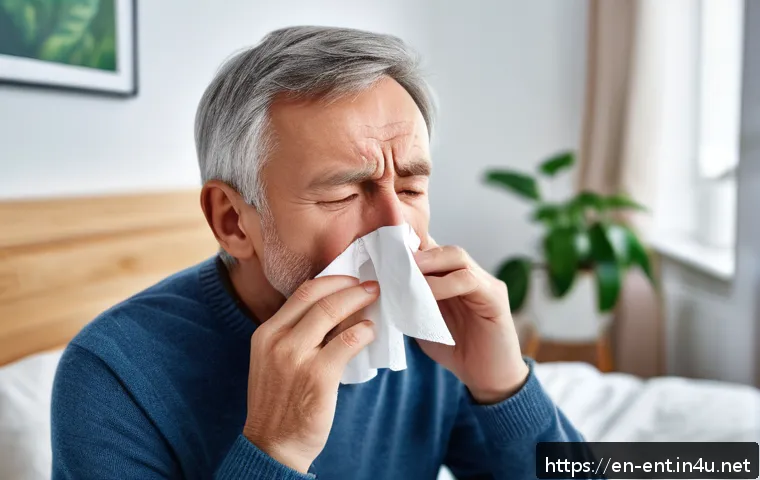
Living in our increasingly noisy world, it’s easy to take our hearing for granted. From the blare of city traffic to the pulsing beats at concerts, our ears are constantly bombarded with sound.
But did you know that prolonged exposure to loud noises can lead to noise-induced hearing loss (NIHL), a condition that is entirely preventable? I’ve personally witnessed the impact of NIHL on loved ones, and it’s a stark reminder of how crucial it is to protect our hearing.
With the rise of personal audio devices and the prevalence of loud environments, understanding the simple steps we can take to safeguard our ears is more important than ever.
Recent trends point towards personalized hearing protection solutions, with advanced earplugs and noise-cancelling headphones becoming increasingly popular.
Experts predict that in the future, we’ll see even more sophisticated technologies that adapt to our individual hearing profiles and environmental noise levels.
Let’s delve into the details and find out more about preventing noise-induced hearing loss below!
Navigating Noisy Environments: Smart Strategies for Everyday Life
In the hustle and bustle of modern life, avoiding loud environments entirely can feel like an impossible task. Whether it’s the cacophony of a busy restaurant or the roar of a sports stadium, excessive noise is often unavoidable. However, by implementing smart strategies, we can minimize our exposure and protect our hearing. I’ve found that being proactive and mindful of my surroundings makes a huge difference. For instance, when dining out, I often request a table away from the kitchen or speakers. Small adjustments like these can significantly reduce the intensity of noise and its impact on your ears. It’s about being an advocate for your own hearing health and taking practical steps to mitigate the risks in everyday situations.
1. Strategic Seating and Timing
One of the simplest yet most effective tactics is to choose your seating wisely. In restaurants, opt for booths or tables located away from high-traffic areas like the kitchen or entrance. If possible, visit during off-peak hours when the noise level is generally lower. I’ve personally noticed a huge difference when I go for lunch at a restaurant around 2 PM instead of the typical noon rush. It’s much quieter, and I can actually have a conversation without shouting.
2. Utilizing Noise-Cancelling Technology
Noise-cancelling headphones or earbuds can be a game-changer, especially in environments like public transportation or airplanes. These devices use advanced technology to block out ambient noise, allowing you to listen to music or podcasts at a lower, safer volume. I travel frequently for work, and investing in a good pair of noise-cancelling headphones was one of the best decisions I’ve made. Not only do they protect my hearing, but they also make my commute much more enjoyable.
3. Short Breaks in Quiet Zones
If you know you’ll be in a loud environment for an extended period, plan for short breaks in quieter areas. Even a few minutes of respite can give your ears a chance to recover. At concerts or festivals, step away from the stage periodically to a less crowded area. I remember attending an outdoor music festival last summer, and the constant pounding of the bass was overwhelming. Taking short walks away from the main stage every hour helped me enjoy the event without feeling completely drained by the noise.
The Power of Awareness: Recognizing and Avoiding Noise Hazards
Sometimes, the biggest threat to our hearing is our lack of awareness. Many everyday activities and environments contain noise levels that can be harmful over time. From power tools to sporting events, recognizing these hazards and taking appropriate precautions is crucial for long-term hearing health. I learned this the hard way when I started doing home renovations. I thought it was fine to use a power drill without ear protection for just a few minutes, but the cumulative effect of those short exposures took a toll on my ears. Now, I never start a project without proper hearing protection.
1. Identifying Common Noise Offenders
Familiarize yourself with the decibel levels of common noise sources. Construction sites, motorcycles, and even hair dryers can produce sounds that exceed safe limits. I was surprised to learn that even using a blender in the kitchen could be a potential risk if done frequently and for extended periods. Understanding these risks is the first step in protecting your hearing.
2. Monitoring Sound Levels with Apps
Technology can be a valuable tool in assessing noise levels. There are several smartphone apps available that can measure the decibels in your environment. This can help you identify potential hazards and make informed decisions about hearing protection. I use a sound level meter app whenever I’m in a new environment, especially if it seems particularly loud. It’s a simple way to gauge the risk and take necessary precautions.
3. Taking Action When Noise is Excessive
If you find yourself in a situation where the noise level is consistently high, don’t hesitate to take action. This might mean leaving the area, requesting that the noise be turned down, or using hearing protection. I once attended a concert where the sound was so loud that it was physically painful. I ended up leaving early because I knew that staying would only damage my hearing. It’s okay to prioritize your health and well-being, even if it means missing out on something.
Hearing Protection: Your Personal Shield Against Noise
When avoidance isn’t an option, hearing protection becomes your best defense. From simple foam earplugs to custom-molded options, there’s a wide range of solutions available to suit different needs and preferences. I’ve experimented with various types of hearing protection over the years, and I’ve found that the key is to find something that’s comfortable and effective. There’s no point in having the best earplugs if you don’t actually wear them because they’re uncomfortable or inconvenient.
1. Exploring Different Types of Earplugs
Foam earplugs are affordable and readily available, making them a popular choice for many people. However, they can be uncomfortable for some and may not provide the best level of protection. Custom-molded earplugs offer a more comfortable and personalized fit, as well as superior noise reduction. I’ve also tried musician’s earplugs, which reduce the volume of sound without distorting its quality. These are great for attending concerts or playing music.
2. Understanding Noise Reduction Ratings (NRR)
When choosing hearing protection, pay attention to the Noise Reduction Rating (NRR). This number indicates the amount of noise reduction the device provides. A higher NRR means more protection. However, it’s important to note that the actual amount of noise reduction you experience may be less than the NRR listed on the package. I always look for earplugs with a high NRR, but I also make sure to insert them properly to maximize their effectiveness.
3. Proper Insertion and Maintenance
The effectiveness of hearing protection depends on proper insertion and maintenance. Follow the instructions provided by the manufacturer to ensure a snug and secure fit. Clean your earplugs regularly to prevent the buildup of dirt and debris. I make sure to clean my earplugs after each use with a mild soap and water. It’s also important to replace them periodically, especially if they become damaged or worn out.
The Role of Nutrition and Hydration in Hearing Health
Believe it or not, what you eat and drink can also impact your hearing. Certain nutrients and proper hydration play a vital role in maintaining the health of your inner ear and protecting it from damage. I started paying closer attention to my diet after reading about the connection between nutrition and hearing health. I’ve noticed that when I’m well-hydrated and eating a balanced diet, my ears feel less fatigued after being exposed to loud noises.
1. Essential Nutrients for Hearing
Antioxidants, such as vitamins C and E, can help protect the cells in your inner ear from damage caused by free radicals. Magnesium is also important for maintaining healthy blood flow to the inner ear. I make sure to include plenty of fruits, vegetables, and whole grains in my diet to get these essential nutrients. I also take a daily multivitamin to supplement any deficiencies.
2. The Importance of Hydration
Dehydration can reduce blood flow to the inner ear, potentially leading to hearing problems. Aim to drink plenty of water throughout the day to stay hydrated. I carry a water bottle with me everywhere I go and make sure to refill it regularly. I also avoid excessive caffeine and alcohol, which can dehydrate the body.
3. Foods to Avoid
Certain foods and substances can negatively impact hearing health. Excessive sodium intake can increase fluid retention in the inner ear, potentially leading to tinnitus or hearing loss. I try to limit my intake of processed foods, which are often high in sodium. Smoking can also damage the blood vessels that supply the inner ear, so it’s best to avoid it altogether.
Regular Hearing Checkups: Monitoring Your Hearing Health
Just like any other aspect of your health, regular hearing checkups are essential for monitoring your hearing health and detecting any potential problems early on. I make it a point to schedule a hearing test every year, even if I don’t notice any changes in my hearing. Early detection can make a big difference in managing hearing loss and preventing further damage.
1. Finding a Qualified Audiologist
The first step is to find a qualified audiologist who can perform a comprehensive hearing evaluation. Ask your primary care physician for a referral or search online for reputable audiologists in your area. I always check online reviews and ask for recommendations from friends and family before choosing a healthcare provider.
2. Understanding the Hearing Test Process
A typical hearing test involves a series of procedures designed to assess your ability to hear different frequencies and volumes of sound. This may include pure-tone audiometry, speech audiometry, and tympanometry. I was a bit nervous before my first hearing test, but the audiologist explained everything clearly and made me feel comfortable. The process was quick and painless.
3. Interpreting the Results and Taking Action
After the hearing test, the audiologist will review the results with you and discuss any findings. If hearing loss is detected, they may recommend hearing aids or other interventions. It’s important to follow their recommendations and take action to protect your hearing. I was relieved to find out that my hearing was normal, but I still made some lifestyle changes to protect my ears from further damage.
The Long-Term Impact of Noise-Induced Hearing Loss (NIHL)
Understanding the long-term consequences of NIHL is crucial for motivating people to take preventative measures. NIHL isn’t just about not being able to hear as well; it can have far-reaching effects on your overall quality of life. I’ve seen firsthand how NIHL can impact someone’s ability to communicate, socialize, and even work. It’s a condition that can lead to feelings of isolation, frustration, and even depression.
1. Beyond Hearing Loss: Tinnitus and Hyperacusis
NIHL can also lead to other auditory problems, such as tinnitus (ringing in the ears) and hyperacusis (increased sensitivity to sound). These conditions can be extremely debilitating and can significantly impact a person’s daily life. I have a friend who developed tinnitus after years of working in a noisy factory. The constant ringing in his ears makes it difficult for him to concentrate and sleep.
2. The Psychological and Social Effects
Hearing loss can lead to feelings of isolation, frustration, and depression. It can make it difficult to communicate with loved ones, participate in social activities, and perform job duties. I’ve seen how hearing loss can strain relationships and lead to misunderstandings. It’s important to address hearing loss early on to prevent these negative consequences.
3. The Economic Impact
NIHL can also have a significant economic impact. People with hearing loss may have difficulty finding and maintaining employment. They may also require expensive medical treatments and hearing aids. Preventing NIHL is not only good for your health but also for your financial well-being.
| Tip | Description | Example |
|---|---|---|
| Strategic Seating | Choose quieter locations in noisy environments. | Request a table away from the kitchen in a restaurant. |
| Noise-Cancelling Tech | Use headphones to block out ambient noise. | Wear noise-cancelling headphones on public transport. |
| Quiet Breaks | Take short breaks in quieter areas. | Step away from the stage at a concert. |
| Hearing Protection | Wear earplugs or earmuffs in loud environments. | Use earplugs at a construction site or concert. |
| Nutrition & Hydration | Maintain a healthy diet and stay hydrated. | Eat antioxidant-rich foods and drink plenty of water. |
| Regular Checkups | Get regular hearing tests to monitor your hearing health. | Schedule a hearing test with an audiologist annually. |
Empowering Others: Spreading Awareness and Promoting Prevention
Ultimately, preventing NIHL requires a collective effort. By spreading awareness and promoting prevention strategies, we can empower others to protect their hearing and enjoy a lifetime of healthy listening. I believe that education is key. The more people know about the risks of NIHL and the simple steps they can take to protect their hearing, the more likely they are to take action.
1. Educating Friends and Family
Share your knowledge about NIHL with your friends and family. Encourage them to take preventative measures and protect their hearing. I often talk to my loved ones about the importance of wearing hearing protection at concerts and other loud events. I also share articles and resources about hearing health on social media.
2. Advocating for Safer Environments
Support policies and initiatives that promote safer noise levels in public spaces and workplaces. Advocate for stricter regulations on noise pollution and increased awareness about hearing health. I’ve written letters to my local representatives advocating for noise reduction measures in my community.
3. Supporting Hearing Health Organizations
Donate to organizations that support hearing health research and education. Volunteer your time to help raise awareness about NIHL and promote prevention strategies. I’ve volunteered at local hearing health clinics to help educate people about the importance of hearing protection.
Navigating the maze of daily life while safeguarding our hearing health is a journey worth undertaking. By implementing these smart strategies and staying informed, we can all take proactive steps to protect our ears.
Remember, the power to preserve your hearing lies in your hands.
Concluding Thoughts
As we wrap up, remember that safeguarding your hearing is a lifelong commitment. By integrating these strategies into your daily routine, you’re not just protecting your ears, but also enhancing your overall quality of life. Listen carefully, act proactively, and embrace a world of healthy hearing.
Good to Know Information
1. Download a sound meter app on your smartphone to monitor noise levels around you. There are several free and reliable apps available for both iOS and Android.
2. Keep a pair of earplugs in your bag or car so you’re always prepared for noisy situations. You never know when you might need them!
3. Look for restaurants and cafes that prioritize acoustics. Many establishments are now designing their spaces to minimize noise and create a more pleasant dining experience.
4. Check the NRR (Noise Reduction Rating) on any hearing protection you purchase. This rating indicates how much noise the device will block.
5. Support organizations that are working to raise awareness about noise-induced hearing loss. By donating or volunteering, you can help make a difference in the lives of others.
Key Takeaways
Be Proactive: Take control of your environment and choose quieter locations whenever possible.
Use Technology Wisely: Invest in noise-cancelling headphones and use sound meter apps to monitor noise levels.
Protect Your Ears: Wear hearing protection in noisy environments, such as concerts or construction sites.
Stay Informed: Educate yourself about the risks of noise-induced hearing loss and share your knowledge with others.
Get Regular Checkups: Schedule regular hearing tests to monitor your hearing health and detect any potential problems early on.
Frequently Asked Questions (FAQ) 📖
Q: How loud is too loud, and how do I know if I’m in a potentially harmful environment?
A: That’s a great question! As a rule of thumb, if you have to shout to be heard over the background noise, it’s likely too loud. Think of concerts, construction sites, or even a busy bar on a Friday night.
Noise levels are measured in decibels (dB). Sounds above 85 dB for extended periods can damage your hearing. Many smartphones have sound level meter apps you can download to get a rough estimate of the noise around you.
I’ve used one at a rock concert before, and it was definitely an eye-opener – I immediately put in my earplugs!
Q: What are some simple, practical ways to protect my hearing in everyday situations?
A: Simple things can make a big difference! If you’re using earbuds or headphones, follow the 60/60 rule: listen at no more than 60% of the maximum volume for no more than 60 minutes at a time.
Give your ears a break. When attending concerts or sporting events, use earplugs. You can find affordable, disposable ones at most pharmacies.
If you’re regularly exposed to loud noise at work or in your hobbies (like woodworking or motorcycling), invest in custom-fitted earplugs. They’re more comfortable and provide better protection.
I learned this the hard way after a weekend of lawn mowing without hearing protection – my ears were ringing for hours!
Q: I’ve noticed some ringing in my ears after being exposed to loud noises. Is this a sign of permanent damage, and what should I do?
A: Ringing in your ears, or tinnitus, can be a sign of temporary or even permanent damage to your hearing. It’s definitely something to take seriously. If you experience ringing, avoid loud noises for a while to give your ears a chance to recover.
If the ringing persists for more than 24 hours, or if you’re concerned about your hearing, see an audiologist or doctor. They can perform a hearing test to assess any damage and recommend appropriate treatment or protection measures.
My uncle ignored the ringing in his ears for years, and now he wears hearing aids. Don’t make the same mistake – get it checked out!
📚 References
Wikipedia Encyclopedia
구글 검색 결과
구글 검색 결과
구글 검색 결과
구글 검색 결과
구글 검색 결과