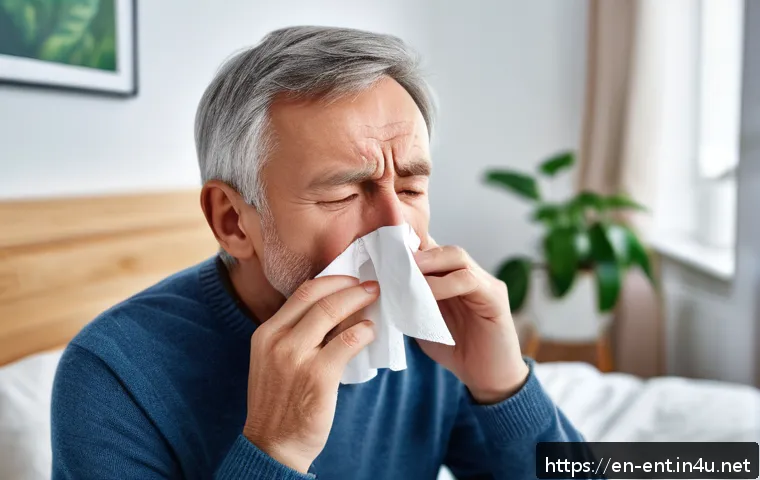
Seasonal allergies are a real drag, aren’t they? Every spring and fall, it feels like my sinuses are staging a full-blown rebellion. I’ve tried just about everything from over-the-counter antihistamines to those fancy nasal sprays, and while some offer temporary relief, the symptoms always seem to come back with a vengeance.
It’s tough because you just want to enjoy the beautiful weather, but instead, you’re stuck inside with a box of tissues. Finding the right treatment can feel like navigating a minefield, with so many options promising the world but delivering little in the way of lasting results.
Recently, I’ve been digging into some research about newer medications and therapies, especially considering the way environmental factors are changing allergy seasons.
Experts are even talking about personalized medicine approaches based on your specific allergy profile, which sounds pretty promising! Let’s delve into the specifics below!
Alright, buckle up – let’s dive into some serious allergy-busting strategies.
Deciphering the Alphabet Soup: A New Look at Allergy Meds

It’s not just about popping a pill and hoping for the best anymore. I’ve noticed a real shift in how doctors approach allergy treatment, focusing on understanding the specifics of what triggers *your* allergies.
This makes a huge difference because what works for one person might be useless for another.
Understanding the Nuances of Antihistamines
I used to think all antihistamines were created equal, but boy, was I wrong. The older generation, like Benadryl, knocks me out cold. Great for nighttime, not so much for a productive workday.
The newer ones, like Zyrtec or Claritin, are much better at controlling symptoms without the drowsiness. I’ve found that Claritin works well for me during the day, but some people swear by Zyrtec.
It’s really about finding what meshes with your body.
Corticosteroid Nasal Sprays: More Than Just a Quick Fix
These aren’t your grandma’s nasal sprays (no offense, Grandma!). They’re designed to reduce inflammation in your nasal passages, which is a major source of allergy misery.
I’ve had a love-hate relationship with them. They can be super effective, but you have to use them consistently for them to work, and honestly, I’m terrible at remembering to do that.
However, when I do stick to the regimen, I notice a significant decrease in congestion and that annoying post-nasal drip.
The Promise of Leukotriene Inhibitors
My doctor suggested Singulair (montelukast) a while back, explaining that it works by blocking leukotrienes, chemicals in your body that contribute to allergy symptoms.
I was initially skeptical, but it seemed to help reduce my overall allergic response, especially the itchy eyes and skin. It’s not a first-line treatment for everyone, and some people experience side effects, so it’s definitely something to discuss with your healthcare provider.
Beyond the Pharmacy: Holistic Approaches to Allergy Relief
Pills and sprays are great, but I’m also a big believer in exploring complementary therapies. I mean, our bodies are complex systems, and sometimes the best solutions involve a multi-pronged approach.
The Power of Saline Rinses
Okay, I’ll admit, the first time I tried a neti pot, I felt like I was drowning. But once I got the hang of it, saline rinses became a lifesaver. They clear out all the pollen and irritants from your nasal passages, providing instant relief.
Plus, they’re super cheap and you can do them as often as needed. I try to do it at least once a day during peak allergy season, and it makes a noticeable difference.
Air Purifiers: Creating an Allergy-Free Sanctuary
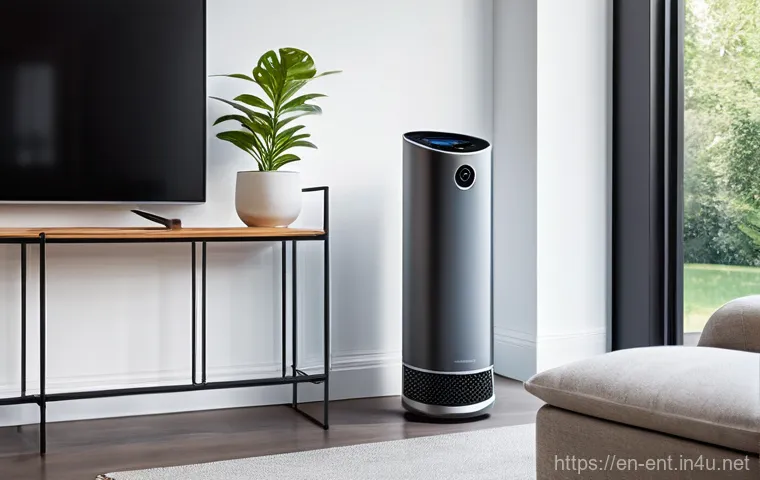
I invested in a good air purifier a few years ago, and it’s been worth every penny. It filters out pollen, dust mites, and pet dander, making the air in my home much cleaner.
I especially notice the difference in my bedroom – I sleep better and wake up with less congestion. Look for one with a HEPA filter for the best results.
I also make sure to change the filter regularly!
Dietary Tweaks: Food as Medicine
Believe it or not, what you eat can impact your allergy symptoms. I’ve found that cutting back on processed foods and sugar helps to reduce inflammation in my body, which in turn makes my allergies more manageable.
Some people also find relief by avoiding certain foods that trigger histamine release, like fermented foods and alcohol. It’s a bit of trial and error, but it can be worth it.
Navigating Allergy Testing: Unlocking Your Personal Allergy Profile
Getting tested for allergies can be incredibly insightful. It helps you pinpoint exactly what you’re allergic to, so you can develop a targeted treatment plan.
Skin Prick Tests: The Classic Approach
I had a skin prick test done a few years ago, and it was surprisingly quick and painless. They basically prick your skin with tiny amounts of different allergens and see which ones cause a reaction.
It’s a great way to identify common allergens like pollen, mold, and pet dander. The results were pretty eye-opening – I discovered I was allergic to dust mites, which explained a lot of my year-round symptoms.
Blood Tests: A More Detailed Analysis
If skin prick tests aren’t an option (for example, if you have certain skin conditions or are taking certain medications), blood tests can be a good alternative.
They measure the levels of specific antibodies in your blood, which can indicate what you’re allergic to. The results take a bit longer to come back, but they can provide a more detailed analysis of your allergy profile.
Long-Term Strategies: Building Immunity Through Immunotherapy
Immunotherapy, also known as allergy shots or allergy tablets, is a long-term treatment option that aims to desensitize you to allergens over time.
Allergy Shots: The Traditional Route
I have friends who have gone through allergy shots, and they swear by them. It involves getting regular injections of small amounts of allergens, gradually increasing the dose over time.
It’s a commitment – it can take several years to complete the treatment – but it can provide long-lasting relief.
Sublingual Immunotherapy (SLIT): A Convenient Alternative
SLIT involves taking allergy tablets or drops under your tongue. It’s a more convenient option than allergy shots, as you can do it at home. The same principle applies – you’re gradually exposed to small amounts of allergens to build immunity.
It’s not for everyone, but it’s worth discussing with your doctor.
Weathering the Storm: Managing Symptoms During Peak Season
Even with the best treatment plan, there are times when allergy symptoms flare up, especially during peak season.
The Power of Preemptive Action
I’ve learned that it’s better to start taking allergy medication *before* allergy season hits. That way, you can keep your symptoms under control from the get-go.
I start taking my antihistamine a week or two before the pollen count starts to rise, and it makes a big difference.
Creating a Barrier Against Allergens
Simple things like keeping your windows closed, showering after being outside, and using a dehumidifier can help to reduce your exposure to allergens.
I also try to avoid doing yard work during peak pollen times, or wear a mask if I have to. Every little bit helps!
Allergy Treatment Options
Here’s a handy overview of some common allergy treatments:
| Treatment | Type | How it Works | Pros | Cons |
|---|---|---|---|---|
| Antihistamines | Medication | Blocks histamine release | Quick relief, easy to access | Can cause drowsiness, doesn’t address the root cause |
| Corticosteroid Nasal Sprays | Medication | Reduces inflammation | Effective for congestion, long-lasting relief | Takes time to work, potential side effects |
| Saline Rinses | Home Remedy | Clears nasal passages | Natural, inexpensive, instant relief | Can be uncomfortable, requires consistent use |
| Air Purifiers | Environmental Control | Filters allergens from the air | Reduces exposure to allergens, improves air quality | Can be expensive, requires filter replacement |
| Immunotherapy | Long-Term Treatment | Desensitizes you to allergens | Long-lasting relief, potential to cure allergies | Time-consuming, requires commitment, potential side effects |
Future Frontiers: The Cutting Edge of Allergy Research
The field of allergy research is constantly evolving, with new treatments and therapies on the horizon.
Personalized Medicine: Tailoring Treatment to Your Genes
Scientists are exploring how our genes influence our allergic responses, paving the way for personalized treatment plans based on our unique genetic profiles.
Imagine a future where you can get a simple genetic test to determine the best allergy treatment for *you*.
Biologic Therapies: Targeting Specific Immune Pathways
Biologic therapies are a new class of medications that target specific immune pathways involved in allergic reactions. They’re more targeted than traditional medications, which means they may be more effective and have fewer side effects.
While they’re not yet widely available, they hold a lot of promise for the future. Alright, that’s a deep dive into the world of allergies! Remember, everyone’s different, so what works for me might not work for you.
The key is to experiment, find what works best for your body, and don’t be afraid to seek help from a healthcare professional. Good luck weathering those allergy seasons!
Alright, buckle up – let’s dive into some serious allergy-busting strategies.
Deciphering the Alphabet Soup: A New Look at Allergy Meds
It’s not just about popping a pill and hoping for the best anymore. I’ve noticed a real shift in how doctors approach allergy treatment, focusing on understanding the specifics of what triggers *your* allergies. This makes a huge difference because what works for one person might be useless for another.
Understanding the Nuances of Antihistamines
I used to think all antihistamines were created equal, but boy, was I wrong. The older generation, like Benadryl, knocks me out cold. Great for nighttime, not so much for a productive workday. The newer ones, like Zyrtec or Claritin, are much better at controlling symptoms without the drowsiness. I’ve found that Claritin works well for me during the day, but some people swear by Zyrtec. It’s really about finding what meshes with your body.
Corticosteroid Nasal Sprays: More Than Just a Quick Fix
These aren’t your grandma’s nasal sprays (no offense, Grandma!). They’re designed to reduce inflammation in your nasal passages, which is a major source of allergy misery. I’ve had a love-hate relationship with them. They can be super effective, but you have to use them consistently for them to work, and honestly, I’m terrible at remembering to do that. However, when I do stick to the regimen, I notice a significant decrease in congestion and that annoying post-nasal drip.
The Promise of Leukotriene Inhibitors
My doctor suggested Singulair (montelukast) a while back, explaining that it works by blocking leukotrienes, chemicals in your body that contribute to allergy symptoms. I was initially skeptical, but it seemed to help reduce my overall allergic response, especially the itchy eyes and skin. It’s not a first-line treatment for everyone, and some people experience side effects, so it’s definitely something to discuss with your healthcare provider.
Beyond the Pharmacy: Holistic Approaches to Allergy Relief
Pills and sprays are great, but I’m also a big believer in exploring complementary therapies. I mean, our bodies are complex systems, and sometimes the best solutions involve a multi-pronged approach.
The Power of Saline Rinses
Okay, I’ll admit, the first time I tried a neti pot, I felt like I was drowning. But once I got the hang of it, saline rinses became a lifesaver. They clear out all the pollen and irritants from your nasal passages, providing instant relief. Plus, they’re super cheap and you can do them as often as needed. I try to do it at least once a day during peak allergy season, and it makes a noticeable difference.
Air Purifiers: Creating an Allergy-Free Sanctuary
I invested in a good air purifier a few years ago, and it’s been worth every penny. It filters out pollen, dust mites, and pet dander, making the air in my home much cleaner. I especially notice the difference in my bedroom – I sleep better and wake up with less congestion. Look for one with a HEPA filter for the best results. I also make sure to change the filter regularly!
Dietary Tweaks: Food as Medicine
Believe it or not, what you eat can impact your allergy symptoms. I’ve found that cutting back on processed foods and sugar helps to reduce inflammation in my body, which in turn makes my allergies more manageable. Some people also find relief by avoiding certain foods that trigger histamine release, like fermented foods and alcohol. It’s a bit of trial and error, but it can be worth it.
Navigating Allergy Testing: Unlocking Your Personal Allergy Profile
Getting tested for allergies can be incredibly insightful. It helps you pinpoint exactly what you’re allergic to, so you can develop a targeted treatment plan.
Skin Prick Tests: The Classic Approach
I had a skin prick test done a few years ago, and it was surprisingly quick and painless. They basically prick your skin with tiny amounts of different allergens and see which ones cause a reaction. It’s a great way to identify common allergens like pollen, mold, and pet dander. The results were pretty eye-opening – I discovered I was allergic to dust mites, which explained a lot of my year-round symptoms.
Blood Tests: A More Detailed Analysis
If skin prick tests aren’t an option (for example, if you have certain skin conditions or are taking certain medications), blood tests can be a good alternative. They measure the levels of specific antibodies in your blood, which can indicate what you’re allergic to. The results take a bit longer to come back, but they can provide a more detailed analysis of your allergy profile.
Long-Term Strategies: Building Immunity Through Immunotherapy
Immunotherapy, also known as allergy shots or allergy tablets, is a long-term treatment option that aims to desensitize you to allergens over time.
Allergy Shots: The Traditional Route
I have friends who have gone through allergy shots, and they swear by them. It involves getting regular injections of small amounts of allergens, gradually increasing the dose over time. It’s a commitment – it can take several years to complete the treatment – but it can provide long-lasting relief.
Sublingual Immunotherapy (SLIT): A Convenient Alternative
SLIT involves taking allergy tablets or drops under your tongue. It’s a more convenient option than allergy shots, as you can do it at home. The same principle applies – you’re gradually exposed to small amounts of allergens to build immunity. It’s not for everyone, but it’s worth discussing with your doctor.
Weathering the Storm: Managing Symptoms During Peak Season
Even with the best treatment plan, there are times when allergy symptoms flare up, especially during peak season.
The Power of Preemptive Action
I’ve learned that it’s better to start taking allergy medication *before* allergy season hits. That way, you can keep your symptoms under control from the get-go. I start taking my antihistamine a week or two before the pollen count starts to rise, and it makes a big difference.
Creating a Barrier Against Allergens
Simple things like keeping your windows closed, showering after being outside, and using a dehumidifier can help to reduce your exposure to allergens. I also try to avoid doing yard work during peak pollen times, or wear a mask if I have to. Every little bit helps!
Allergy Treatment Options
Here’s a handy overview of some common allergy treatments:
| Treatment | Type | How it Works | Pros | Cons |
|---|---|---|---|---|
| Antihistamines | Medication | Blocks histamine release | Quick relief, easy to access | Can cause drowsiness, doesn’t address the root cause |
| Corticosteroid Nasal Sprays | Medication | Reduces inflammation | Effective for congestion, long-lasting relief | Takes time to work, potential side effects |
| Saline Rinses | Home Remedy | Clears nasal passages | Natural, inexpensive, instant relief | Can be uncomfortable, requires consistent use |
| Air Purifiers | Environmental Control | Filters allergens from the air | Reduces exposure to allergens, improves air quality | Can be expensive, requires filter replacement |
| Immunotherapy | Long-Term Treatment | Desensitizes you to allergens | Long-lasting relief, potential to cure allergies | Time-consuming, requires commitment, potential side effects |
Future Frontiers: The Cutting Edge of Allergy Research
The field of allergy research is constantly evolving, with new treatments and therapies on the horizon.
Personalized Medicine: Tailoring Treatment to Your Genes
Scientists are exploring how our genes influence our allergic responses, paving the way for personalized treatment plans based on our unique genetic profiles. Imagine a future where you can get a simple genetic test to determine the best allergy treatment for *you*.
Biologic Therapies: Targeting Specific Immune Pathways
Biologic therapies are a new class of medications that target specific immune pathways involved in allergic reactions. They’re more targeted than traditional medications, which means they may be more effective and have fewer side effects. While they’re not yet widely available, they hold a lot of promise for the future.
Wrapping Up
Phew, we’ve covered a lot! Allergies can be a real pain, but remember that relief is possible. It’s all about understanding your triggers, finding the right treatments, and making small lifestyle adjustments. Don’t hesitate to consult with an allergist to create a personalized plan that works for you. Here’s to breathing easier and enjoying life, allergy-free!
Useful Information to Know
Here are some extra tips and facts to keep in mind during allergy season:
1. Check Local Pollen Counts: Stay updated on the pollen levels in your area by checking local weather reports or using online pollen trackers. This helps you plan your day and take necessary precautions.
2. Vacuum and Dust Regularly: Dust mites and pet dander can accumulate indoors, exacerbating allergies. Vacuum carpets and dust surfaces at least once a week, using a vacuum with a HEPA filter.
3. Wash Bedding Frequently: Wash your sheets, pillowcases, and blankets in hot water at least once a week to kill dust mites. Consider using allergen-proof covers for your mattress and pillows.
4. Wear Sunglasses and a Hat: When you’re outside, wear sunglasses and a wide-brimmed hat to protect your eyes and face from pollen. This can help reduce direct exposure and minimize irritation.
5. Consider Over-the-Counter Eye Drops: If you experience itchy, watery eyes, try over-the-counter antihistamine eye drops. These can provide quick relief by reducing inflammation and blocking histamine release in your eyes.
Key Takeaways
To summarize, managing allergies involves a multifaceted approach: Understanding your triggers through testing, using appropriate medications (antihistamines, nasal sprays), incorporating holistic remedies (saline rinses, air purifiers), and considering long-term treatments like immunotherapy. Stay informed, take proactive measures, and consult with healthcare professionals for personalized advice.
Frequently Asked Questions (FAQ) 📖
Q: What are some common mistakes people make when trying to manage their seasonal allergies?
A: Oh, that’s a big one! I’ve seen people, myself included, fall into the trap of waiting until symptoms are in full swing to start treatment. Like, you wake up with a scratchy throat and puffy eyes, then you reach for the antihistamines.
It’s way more effective to start taking allergy meds a week or two before the season really hits, building up that defense. Another mistake? Sticking with the same treatment forever even if it’s not really working.
Your body can get used to certain medications, so rotating them or trying something new, like a nasal rinse, can make a huge difference. Trust me, I learned that one the hard way after years of mediocre relief from the same old pills.
Q: Are there any natural remedies that can help alleviate allergy symptoms, or is it all just old wives’ tales?
A: Okay, so I’m a bit of a skeptic when it comes to “cure-alls,” but I’ve definitely found some natural remedies to be helpful in addition to medication.
For instance, a neti pot for nasal rinsing? Game-changer. It feels a bit weird at first, like you’re trying to drown your sinuses, but it really helps clear out the pollen and gunk.
I’ve also heard local honey can help, the idea being that you’re ingesting small amounts of local pollen and building up a tolerance. Haven’t tried that myself, mostly because I have a sweet tooth and would probably just end up eating the whole jar!
And hey, staying hydrated is huge too – keeps those nasal passages moist and helps your body flush out allergens. Don’t expect miracles, but as part of a larger strategy, they can make a noticeable difference.
Q: I’ve heard about allergy shots, but they sound intimidating.
A: re they really effective, and what’s the process like? A3: Okay, allergy shots – I feel you, they sound a little scary! But honestly, from what I’ve researched, they can be a real game-changer for people with severe allergies.
The basic idea is that you get regular injections of small doses of the allergens you’re sensitive to, and over time, your body becomes less reactive to them.
Think of it like gradually building immunity. The process is pretty lengthy – usually a few years of regular injections, first weekly and then monthly.
And yeah, you might have some mild reactions like redness or itching at the injection site. But the long-term benefits, like being able to actually enjoy spring without feeling like you’re dying, can be totally worth it.
I’m actually considering looking into this myself with a local allergist. It sounds like a pain, but if it meant I could finally go on a picnic without a mountain of tissues, it’d be a small price to pay!
📚 References
Wikipedia Encyclopedia