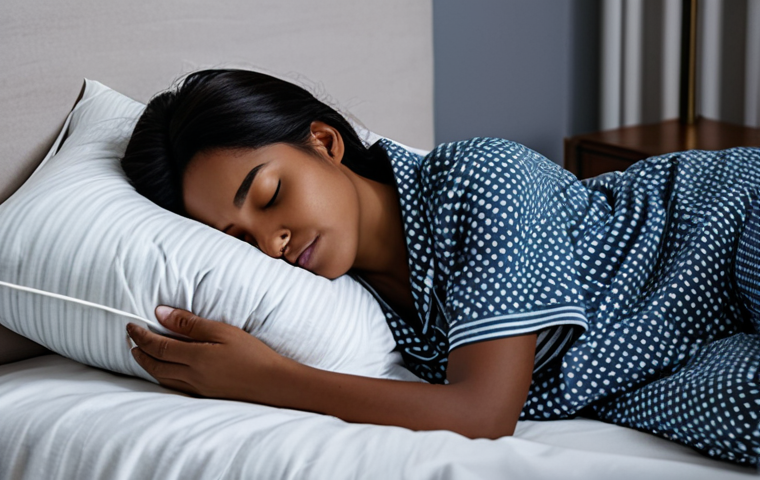
Okay, here we go:Let’s face it, waking up to the sound of your own snoring is never a pleasant experience, especially when it’s keeping your partner up all night!
I’ve been there, trust me. It’s not just annoying; chronic snoring can be a sign of underlying health issues or simply stem from poor sleep posture. I’ve personally tried a bunch of remedies, from nasal strips to fancy pillows, but sometimes, the simplest solution is just adjusting the way you sleep.
Current trends point towards a growing awareness of positional therapy as a key method for mitigating snoring, with even smart devices now being designed to gently nudge you into a better sleeping position.
The future of sleep tech suggests personalized solutions based on individual sleep patterns and snoring triggers, but for now, focusing on how you lie down is a solid starting point.
So, let’s dive in and explore how adjusting your sleep position can potentially quiet those nighttime noises and improve your overall sleep quality. Let’s get to the bottom of this!
Okay, let’s get to it.
Rethinking Your Sleep Posture: A Snore-Free Guide
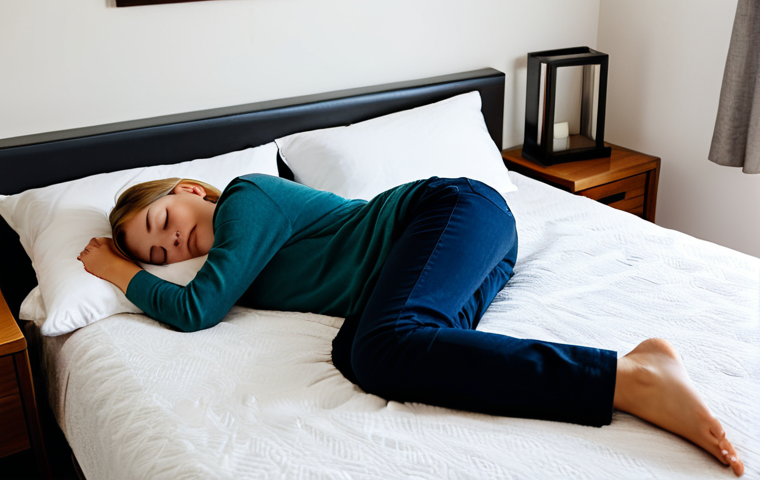
It’s pretty standard for doctors to suggest side sleeping as the first line of defense against snoring, and honestly, it’s been a game-changer for me.
When you lie on your back, gravity works against you, causing your tongue and soft palate to collapse into your airway, which is essentially an open invitation for snoring.
By shifting onto your side, you keep your airway more open, reducing those disruptive vibrations that keep everyone awake. Think of it like this: imagine trying to drink from a straw that’s bent in half.
You’re going to struggle, right? Same concept applies to your breathing when you’re flat on your back.
The Pillow Power Play
Finding the right pillow isn’t just about comfort; it’s about alignment. A pillow that properly supports your head and neck keeps your airway open, which is crucial for side sleeping.
I’ve personally found that a contoured pillow designed for side sleepers really does make a difference. It supports the natural curve of my neck and prevents my head from tilting too far forward or backward.
This subtle adjustment can drastically reduce snoring by maintaining optimal airflow.
DIY Body Pillow Improv
If you’re not ready to invest in a fancy body pillow, you can create your own version using regular pillows. Wedge a pillow behind your back to prevent yourself from rolling onto your back during the night.
It’s a low-cost, surprisingly effective way to maintain your side sleeping position. I even used a rolled-up towel once when I was traveling and forgot my pillow – desperate times call for creative solutions!
Elevate for Elimination: The Angle Advantage
Raising the head of your bed even just a few inches can make a world of difference. I’m talking about using bed risers or even placing a wedge pillow under your mattress.
This slight incline helps to keep your airways open by reducing the amount of pressure on your chest and preventing gravity from pulling everything downward.
Think of it like propping up a garden hose to keep the water flowing smoothly.
DIY Bed Elevation Hacks
You don’t need to go out and buy expensive bed risers. I’ve seen people use sturdy books or even cinder blocks (covered with something soft, of course!) to elevate the head of their bed.
Just make sure whatever you use is stable and safe. We’re trying to improve your sleep, not cause an accident!
The Wedge Pillow Wonder
Wedge pillows are designed specifically for elevating your upper body. They’re a great option if you want a more gradual and comfortable incline compared to raising the entire bed.
Plus, they stay in place better than regular pillows, so you don’t have to worry about them sliding out from under you during the night.
The Tennis Ball Trick: An Oldie but Goodie
Okay, this might sound a little weird, but trust me, it works for some people. The tennis ball trick involves sewing a tennis ball into the back of your pajama top.
The idea is that it makes sleeping on your back uncomfortable, so you’re less likely to roll onto your back during the night. It’s like a gentle, persistent reminder to stay on your side.
Embrace the Awkward: Comfort is Key
You might feel a little silly wearing a pajama top with a tennis ball sewn into it, but hey, if it stops you from snoring, who cares? The key is to find a position that’s comfortable enough for you to sleep soundly, even with the tennis ball there.
Beyond Tennis Balls: Creative Alternatives
If you’re not a fan of the tennis ball idea, you can try other similar methods. Some people use rolled-up socks or even small beanbags. The goal is to create a slight discomfort that discourages you from sleeping on your back without being too disruptive.
Oral Appliances: A More Medically Inclined Solution
When positional therapy alone isn’t cutting it, it might be time to consider oral appliances. These devices, fitted by a dentist or orthodontist, are designed to keep your airway open by gently moving your jaw forward or holding your tongue in place.
I’ve heard of some people seeing dramatic improvements with these, but it’s crucial to consult a professional to see if they’re right for you.
Mandibular Advancement Devices (MADs): Jaw Forward
MADs are among the most common types of oral appliances. They work by gently pushing your lower jaw forward, which helps to open up your airway. It takes some getting used to, but many people find them to be a very effective solution for snoring.
Tongue-Retaining Devices (TRDs): Tongue in Check
TRDs, on the other hand, prevent your tongue from falling back and blocking your airway. They typically consist of a splint that fits around your tongue and holds it in place.
These are less common than MADs, but they can be a good option for people whose snoring is primarily caused by their tongue.
Lifestyle Tweaks: The Holistic Approach
Beyond just your sleep position, there are other lifestyle factors that can contribute to snoring. Things like alcohol consumption, being overweight, and smoking can all make snoring worse.
Making small changes to these habits can have a big impact on your sleep quality and reduce those nighttime noises.
Shedding the Pounds, Silencing the Snores
Excess weight, especially around the neck, can put extra pressure on your airways, making you more likely to snore. Losing even a small amount of weight can help to alleviate this pressure and reduce snoring.
I know, it’s easier said than done, but even small steps in the right direction can make a difference.
The Booze and Snooze Connection
Alcohol relaxes your muscles, including those in your throat, which can make you more prone to snoring. Try to avoid drinking alcohol close to bedtime, or at least reduce your intake.
It might mean skipping that nightcap, but your partner (and your own sleep) will thank you for it.
The Sleep Sanctuary: Optimize Your Environment
Creating the ideal sleep environment is essential for getting a good night’s rest, especially if you’re trying to combat snoring. This means keeping your bedroom cool, dark, and quiet.
Consider using blackout curtains, a white noise machine, or earplugs to minimize distractions and create a peaceful atmosphere.
Temperature Tango: Cool and Comfortable
A slightly cooler bedroom temperature is generally more conducive to sleep. Aim for a temperature between 60 and 67 degrees Fahrenheit. This helps your body’s natural temperature drop, which is a signal that it’s time to sleep.
Sound Strategies: Silencing the Noise
External noise can disrupt your sleep and make snoring worse. A white noise machine can help to mask distracting sounds and create a more consistent and calming environment.
Alternatively, earplugs are a simple and effective way to block out noise. Here’s a table summarizing some of the key sleep positions and their potential benefits for reducing snoring:
| Sleep Position | Description | Pros | Cons |
|---|---|---|---|
| Side Sleeping | Lying on your left or right side. | Keeps airway open, reduces pressure on chest. | May require supportive pillows, can cause shoulder discomfort. |
| Elevated Sleeping | Sleeping with the head of the bed raised. | Reduces gravity’s effect on airway, eases breathing. | May require bed risers or wedge pillows, can cause back pain. |
| Prone Sleeping | Lying on your stomach. | Generally not recommended for snoring. | Can cause neck and back pain, restricts breathing. |
| Supine Sleeping | Lying on your back. | Often exacerbates snoring. | Can cause the tongue and soft palate to collapse into the airway. |
When to Seek Professional Help: Don’t Ignore the Red Flags
If your snoring is persistent, loud, and accompanied by other symptoms like daytime sleepiness, morning headaches, or pauses in breathing during sleep, it’s important to see a doctor.
These could be signs of sleep apnea, a more serious condition that requires medical treatment. Don’t just brush it off as “just snoring.” It’s always better to be safe than sorry!
Sleep Apnea: More Than Just Snoring
Sleep apnea is a condition in which you repeatedly stop and start breathing during sleep. This can lead to a variety of health problems, including high blood pressure, heart disease, and stroke.
If you suspect you might have sleep apnea, talk to your doctor about getting a sleep study.
Navigating the Diagnosis Process
Getting diagnosed with sleep apnea typically involves an overnight sleep study, either in a lab or at home. During the study, your breathing, heart rate, and brain activity will be monitored.
The results will help your doctor determine if you have sleep apnea and how severe it is. Okay, here’s the continued version of your blog post with concluding remarks, helpful tips, and a summary, all in English:…
(Previous Content)
Wrapping Up
Finding the perfect sleep position is a journey, not a destination. Experiment with different techniques, listen to your body, and don’t be afraid to tweak things until you find what works best for you. Remember, a good night’s sleep is priceless, and taking the time to address your snoring can have a positive impact on your health and well-being. Sweet dreams and silent nights!
Helpful Tidbits to Know
1. Adjust Your Diet: Limit dairy and heavy meals before bed, as they can increase mucus production and contribute to snoring.
2. Stay Hydrated: Dehydration can thicken nasal secretions, making snoring worse. Drink plenty of water throughout the day.
3. Clear Your Nasal Passages: Use a saline nasal spray or a neti pot to clear congestion and improve airflow.
4. Invest in an Air Purifier: Improve air quality in your bedroom by removing allergens and irritants that can contribute to snoring.
5. Replace Your Pillows Regularly: Old pillows can accumulate dust mites and allergens, which can exacerbate snoring. Aim to replace your pillows every 6-12 months.
Key Takeaways
Prioritize side sleeping to keep airways open.
Elevate the head of your bed for easier breathing.
Consider oral appliances if positional therapy isn’t enough.
Address lifestyle factors like weight, alcohol, and smoking.
Consult a doctor if snoring is persistent or accompanied by other symptoms.
Frequently Asked Questions (FAQ) 📖
Q: I’ve tried everything – nasal strips, mouthguards, even those weird chin straps. Nothing seems to stop my snoring. Is changing my sleep position really going to make a difference?
A: Honestly, I was skeptical too! But think about it: when you’re flat on your back, gravity is working against you. Your tongue and soft palate can relax and partially block your airway, hence the snoring.
Sleeping on your side, though, can alleviate that pressure and open things up. I found that even just propping myself up slightly with an extra pillow made a noticeable difference.
It might not be a miracle cure for everyone, but it’s definitely worth a shot before resorting to more drastic measures, and it might just be the simplest thing you haven’t tried yet.
Don’t expect instant results, but stick with it for a week or two – you might be pleasantly surprised.
Q: Okay, side sleeping sounds good, but I always end up rolling onto my back in the middle of the night.
A: ny tips for staying put? A2: Ah, the age-old struggle! I get it, old habits die hard.
One trick I found helpful was the “tennis ball method.” Seriously! Sew a tennis ball into the back of an old T-shirt and wear it to bed. Rolling onto your back will become uncomfortable, prompting you to subconsciously shift back to your side.
You could also try a body pillow – it’s like having a cuddly barrier that helps keep you in place. And if all else fails, there are even some smart devices out there now that gently vibrate when you start snoring on your back, nudging you to turn over.
Experiment and see what works best for you. Consistency is key here, so be patient with yourself!
Q: So, what’s the ‘best’ sleep position for snoring?
A: nd does it matter which side I sleep on? A3: Generally, sleeping on your left side is often considered slightly better for overall health, as it may improve circulation.
However, when it comes to snoring specifically, the most important thing is to simply avoid sleeping on your back. Experiment with both your left and right sides to see which feels more comfortable and reduces your snoring more effectively.
Some people find that one side works better than the other due to individual anatomical differences. The “best” position is really just the one that works best for you and keeps you off your back!
Don’t overthink it; just find a comfortable side and stick with it.
📚 References
Wikipedia Encyclopedia
구글 검색 결과
구글 검색 결과
구글 검색 결과
구글 검색 결과